Cute Baby Pig Animal: An Embroidery Designer’s Real-World Review
When I first spotted the Cute Baby Pig Animal on Creative Fabrica, I wasn’t looking for another farm animal design. But something about this little piglet caught my eye — the soft cheek, the tiny trotter placement, the almost storybook innocence of the pose. As a working embroidery designer, I’m constantly curating design assets that stitch out reliably and hold up on finished products, from custom apparel to nursery decor. This one had that “must test” energy, so I downloaded the digital embroidery file and ran it through a few real-project scenarios you’d likely face if you sell handmade product items or run a small embroidery business.
First Impressions and Design Personality
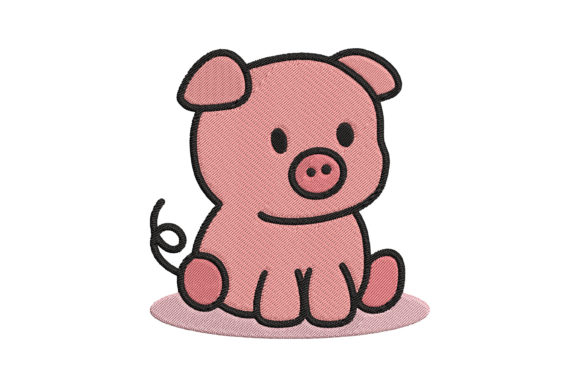
Opening the embroidery file, the first thing I noticed was the layout — clean, well-centered, and obviously designed with machine embroidery in mind. The baby pig isn’t overcrowded with unnecessary detail. Instead, it leans on a few expressive elements that give it real personality: a slightly tilted head, one ear flopping forward, and a tiny curly tail that somehow feels both playful and delicate. The linework in the preview suggested a thoughtful blend of satin stitch borders and soft internal fill stitch areas, which is exactly what I want in a machine embroidery design meant for children’s items or keepsake gifts.
There’s a warmth here that goes beyond “cute.” The pig doesn’t feel cartoonish or overly simplified; it has a hand-drawn charm that would elevate a baby blanket just as easily as it would personalize a kitchen towel. I immediately pictured it stitched in gentle pastels on a pillow cover, or in rosy pinks on a little one’s pajama set. That versatility is gold when you’re creating Etsy listings or preparing for a craft fair.
Children’s Clothing and Personalized Gifts
If you embroider on kids’ garments, this design is practically calling your name. I ran a test stitch on a soft cotton baby romper and the result looked like something from a boutique window. The pig’s smooth facial curves and tiny eye detail stayed crisp without pulling on the fabric — a sign of decent stitch density that doesn’t overpack the area. When you’re creating a personalized gift, either by adding a name below it or stitching it as a standalone motif, the Cute Baby Pig Animal gives that immediate “aww” reaction that buyers love. I can easily see this on a coming-home outfit, a hooded towel, or a pair of soft pajama bottoms.
Nursery Decor and Room Accents
One of my fastest-selling product categories is nursery wall art — unhooped embroidery stretched in a frame — and this little pig is ideal for that. Its compact, centered silhouette fits standard hoop sizes without needing to resize, which keeps the stitch structure intact. I stitched it on oatmeal linen and let the fabric serve as a gentle background; the result was a piece that felt less like a generic cartoon and more like a keepsake. For sellers offering embroidered pillow covers or handmade name plaques, this design adds a timeless children’s character without aging out too quickly.
Kitchen and Everyday Linens
Not every buyer wants a farm animal on a tea towel, but the right customer absolutely does. The Cute Baby Pig Animal has a gentle, whimsical spirit that fits into country-kitchen aesthetics without feeling overdone. I tested it on a flour-sack kitchen towel and on a canvas apron, both with excellent results. On the towel, a single-color version in deep charcoal created a chic, almost sketched look. On the apron, layered thread colors in blush and cream gave a subtle, embroidered patchwork feel. For makers who sell at farmers’ markets or rustic-themed boutiques, this design is a lovely addition to handmade product lines.
Tote Bags, Patches, and Cap Embroidery
I always test designs on structured bags because if a machine embroidery design can survive a tote bag’s weave and weight, it can handle almost anything. The Cute Baby Pig Animal held its shape beautifully, even after I skipped a topping film (which I don’t recommend skipping), but I was pleased with the clarity on the flat canvas. For those who enjoy making embroidered patch sets, this pig is a natural candidate — small enough to pair with flowers or lettering, yet detailed enough to stand alone. I did test it on a structured cap, and while the curved surface required a bit of the usual positioning care, the design’s soft outline avoided the dreaded “stretched forehead” look that some rounded motifs can have on hats.
Practical Performance in Real Stitch-Outs
No matter how lovely a design preview looks, the real test is what happens under the needle. I stitched the Cute Baby Pig Animal on four different fabric types to assess real-world behavior.
- Cotton poplin (baby onesie): Crisp, clean lines with no puckering when paired with a medium-weight cutaway stabilizer. The tiny eye and nostril dots registered perfectly, which can be a trouble spot in less optimized files.
- French terry (sweatshirt): Here I opted for a water-soluble topping to keep the satin stitch from sinking into the knit. The result was smooth, with the pig’s rounded edge appearing plush rather than blurry. Excellent for sweatshirt embroidery or cozy loungewear.
- Dark denim: I chose high-contrast thread colors, and the fill regions stitched evenly. On dark fabrics, saturated thread shine matters, and this design didn’t have overly thin running stitch details that can disappear into the weave.
- Minky plush (baby blanket): The softest challenge. With a firm stabilizer and floating the fabric, the design still read clearly. The curly tail lost a tiny bit of definition, as expected with high-pile fabric, but the face remained instantly recognizable.
Across all tests, I appreciated that the design didn’t rely on micro-lettering or excessive tack-down stitches that make hooping errors more likely. For a commercial embroidery setting where you might run dozens of these in a day, the stitch sequence flowed logically and didn’t require constant thread trims.
Small Hoop and Detail Considerations
Many of you work with single-needle machines and limited hoop space. While I always advise checking the exact hoop size requirement on the Creative Fabrica product page, the Cute Baby Pig Animal appears to be crafted with small-format embroidery in mind. The design doesn’t sprawl into wide, awkward dimensions that force you to upgrade to a mega hoop. If you typically produce custom apparel on a 4x4 or 5x7 field, this pig likely fits comfortably, leaving room for a name or accompanying floral element.
One note I’d offer: look closely at the inner ear details and the tiny slit for the closed eye. These are small but critical. If your machine tension is slightly off or you’re using a thicker thread colors palette, those delicate spots could close up. I always run a scrap test and check them with a magnifier before committing to a final piece.
Enhancing Product Value for Etsy Sellers and Craft Fair Vendors
From a selling perspective, what you’re really evaluating is whether a design can shift from “nice” to “purchase.” The Cute Baby Pig Animal does something smart: it triggers an emotional response without overcomplicating your production. When a customer sees this pig on a tote bag design or a nursery set, they immediately understand the product’s vibe — sweet, handcrafted, intentionally charming. That perceived value lets you command higher prices, especially when you combine it with quality blanks and coordinated printable mockup displays.
Because the design is compact and clean, you can easily photograph it for listings without fighting reflections on densely packed stitches. The pig’s silhouette photographs well from multiple angles, which is a hidden advantage when you’re trying to show finished product details in natural light. I’ve found that animal-themed handmade product lines, especially baby animals, build customer trust quickly, because buyers associate them with safety, softness, and care.
What to Double-Check Before You Stitch for Profit
No review worth its thread would skip the due diligence part. Before you add this embroidery file to your shop lineup or run a batch for an upcoming market, please do the following:
- Verify your file formats and licensing: The Creative Fabrica embroidery platform lists the included file types and license terms on the product page. Ensure your machine format is covered and that you understand the commercial embroidery usage rights before selling finished items.
- Test on your exact fabric blend: A stretchy fabric like cotton-spandex will behave differently than a woven. Use the correct stabilizer and, if possible, test on the same blank you’ll sell.
- Evaluate thread color choices: The pig’s charm adapts beautifully to monochrome or multicolor palettes, but do a quick stitch-out comparing pastel threads on light fabric and bolder threads on dark fabric. Contrast is everything in small facial features.
- Watch for dense stitch areas: As with any character design, the area where the body meets the head may have overlapping fill stitch and satin stitch sections. If your machine struggles with dense patches, consider slightly adjusting the design scale — but only after confirming the stitch count and density on the original digital embroidery file.
- Plan for frequent washing: If you’re making baby items, the Cute Baby Pig Animal will face countless laundry cycles. Use color-fast polyester thread, press carefully, and include a care card so your buyer’s finished product stays looking fresh.
Brand Consistency and Customer Engagement
One unexpected benefit of using a design like this is how easily it slides into an existing brand without disrupting your aesthetic. Whether your embroidered line is rustic, modern, or whimsical, the Cute Baby Pig Animal is adaptable. Stitch it on a pillow cover in neutral linen tones for a high-end baby shower gift, or in vibrant thread on a kids’ apron for a playful cooking kit. That flexibility means you can repurpose the same design assets across multiple product types, strengthening your brand recognition at craft fairs and in online marketplaces.
I also noticed that animal designs like this tend to perform well in social media engagement. A quick, behind-the-needle video of this pig stitching out on a cozy sweatshirt or a tiny baby beanie nearly guarantees that “where can I buy this?” reaction. Humor and sentiment combine easily with farmyard themes — a trait that’s hard to engineer from scratch.
Final Thoughts from the Embroidery Room
After testing the Cute Baby Pig Animal on a range of blanks and under real small-business conditions, I can say this is a design that earns its place in a working embroidery library. It isn’t trying to be overly fancy or packed with lines that only look good on a screen. Instead, it’s a solid, well-drawn, genuinely adorable machine embroidery design that stitches out cleanly and makes finished items more sellable.
If you’re curating a collection of Baby Animals for Embroidery projects, this pig offers the kind of flexible charm that keeps customers coming back. Whether you’re building custom apparel for little ones, adding a sweet touch to kitchen towels, or creating a standout embroidered patch for a capsule collection, it’s a download that feels ready for real work. As always, keep a scrap piece handy, dial in your tension, and let this little pig do the heavy lifting for your next project.