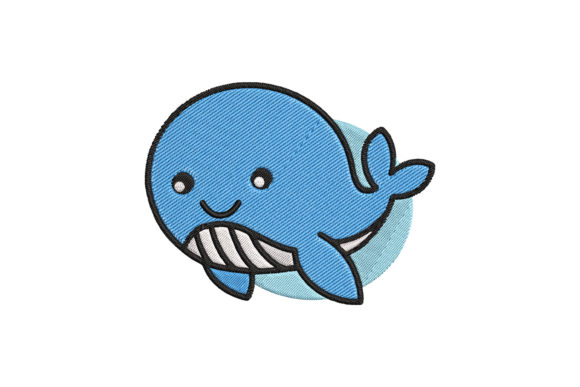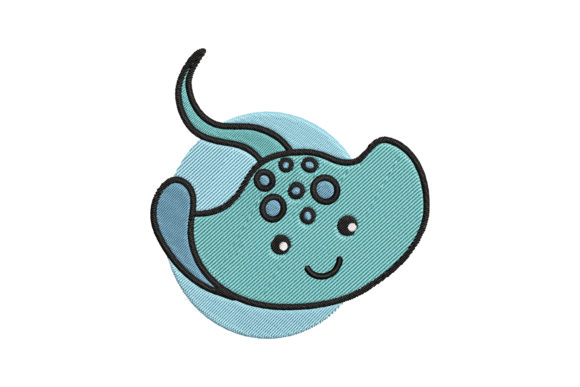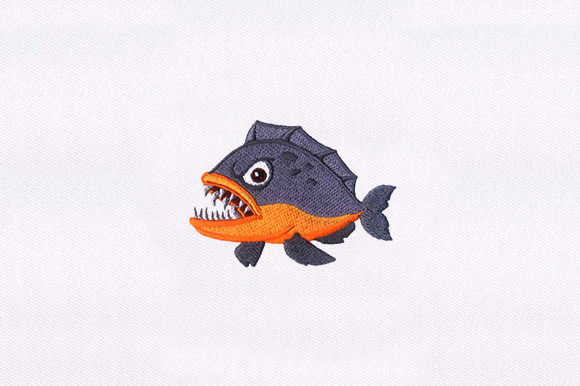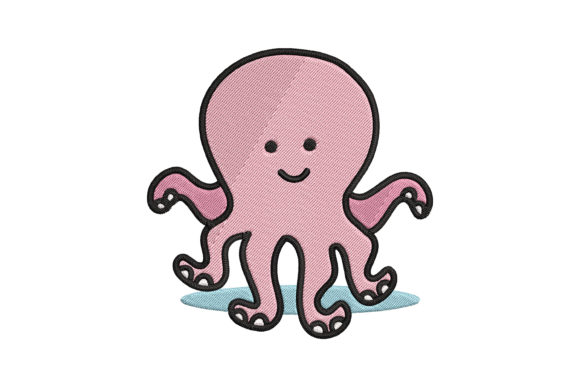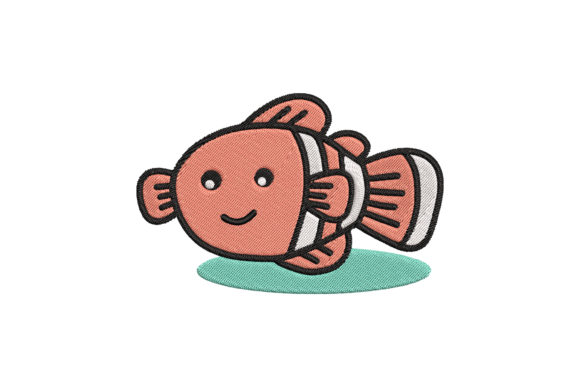
Cute Sea Animal Fish Embroidery Design Review
When I first opened the preview for Cute Sea Animal Fish, I immediately felt that quiet pull of a design that understands restraint. It is not trying to shout. It is not overloaded with unnecessary detail. Instead, it carries a gentle, cheerful personality that makes you think of warm mornings, beachside shops, and little projects that make people smile without saying a word. As a designer who has tested hundreds of machine embroidery design files on everything from flimsy knit onesies to thick canvas tote bags, my first question is always the same: will this actually stitch out as good as it looks on screen?
With Cute Sea Animal Fish, my initial instinct leaned toward a soft yes. The mood it creates is playful but not childish. It has enough shape clarity to hold its own on a textured surface, yet enough simplicity to stay readable when scaled down for a baby bib or a curved cap panel. That balance is rarer than most people realize. In the embroidery world, you learn quickly that an adorable sketch can turn into a puckered, confusing mess if the stitch engine and the design logic are not aligned. So the practical side of my brain starts spinning the same checklist I use before assigning any design to a real client project.
I can already picture this fish swimming onto a natural linen apron for a coastal boutique. Or stitched in coral and seafoam thread on a soft French terry sweatshirt. Maybe a set of handmade tea towels for a summer holiday gift. The theme feels universal enough for custom apparel, yet distinct enough to give a product personality. That is a sweet spot for anyone running a small shop or preparing Etsy listings where visual recognition matters.
The shape itself reads as friendly and approachable. You get that rounded, almost storybook silhouette that works beautifully in an applique design approach if you decide to modify it, or as a pure stitch-out with clean satin stitch borders and smooth fill stitch sections inside. When I mentally trace the outlines, I do not see areas that would cause excessive thread buildup or awkward trims, which tells me the digitizer likely kept stitch flow and density in check. That matters enormously when you are stitching on fabrics that stretch or shift during hooping.
Where This Fish Truly Belongs
Not every design fits every product, and pretending otherwise is how you end up with wasted blanks and frustrated nights before a craft fair. Cute Sea Animal Fish naturally leans toward summery, lighthearted products. I would reach for this design first when building a collection of beach-themed baby garments, personalized nursery decor, or custom beach bag embroidery. It would sit beautifully on a soft cotton pillow cover, especially if paired with simple wave-like quilting lines or a single anchor motif.
I also see potential in the handmade patch market. If you stitch this on felt with a merrowed edge or a clean satin border finish, you create an embroidered patch that surf shops, vacation rental boutiques, or children's clothing lines would buy in small batches. It has the kind of recognizability that works in a printable mockup as well, so digital sellers offering embroidery previews or design assets could absolutely use it to build product listing images that stop scrollers.
There is a certain quiet confidence in designs that do not rely on trends. Fish motifs pop up season after season, from spring break capsule collections to summer craft fair inventory and even coastal holiday gifts. This one avoids the trap of looking too cartoonish or too realistic. It lives in that middle ground where it can be a baby embroidery accent one day and a tote bag design statement the next. That repeat usability is exactly what smart craft business owners look for when choosing a new embroidery file.
A Real Project Scenario That Tests Its Limits
Let me walk you through a recent situation where I mentally placed Cute Sea Animal Fish into a real project. A client wanted a set of personalized beach towels for a family reunion, each with a different sea creature and a small name underneath. The towel fabric was terry, medium loop, deep navy blue. Immediately I started thinking about stitch density, stabilizer choice, and whether the fish would hold its clarity on that absorbent, bumpy surface.
Deep navy poses its own challenge. A design with thin running stitch details in pastel thread could disappear or look washed out. To make this work, I would need to bump up the contrast and possibly add a light underlay or even a subtle twill applique base behind the fish. That is not a design flaw; it is just the reality of embroidery on dark textiles. I would strongly recommend testing Cute Sea Animal Fish on a scrap of your chosen fabric with your actual thread choices before committing to production. A design that looks crisp on white poplin may need thread color adjustments and additional underlay when you switch to charcoal French terry or black denim.
The towel project also made me think about washing durability. Beach towels get tossed in saltwater, sand, and aggressive laundry cycles. If you stitch this on a looped terry surface without a proper topping film, the stitches can sink and get eaten by the pile. A water-soluble topper becomes non-negotiable, and you want to make sure the design is dense enough to survive friction but not so dense that it turns into an uncomfortable stiff patch. I have not stitched this specific file out yet, so I would examine the stitch count and density preview carefully. If the numbers look light, I might duplicate a color stop layer or add a subtle backing fill, but that is an experienced user's trick, not something a beginner should assume.
The Handmade Product Value Factor
When I evaluate a design for commercial use, I think beyond the stitching itself. I think about the perceived value it adds to a finished product. Cute Sea Animal Fish passes that test comfortably. A plain white sweatshirt becomes a boutique item. A simple cotton onesie becomes a thoughtful baby shower contribution. A canvas zipper pouch becomes a point-of-purchase impulse buy at a seaside gift shop.
This perceived value is what separates a hobbyist stitch-out from a profitable handmade product. Customers react emotionally to what they recognize, and ocean creatures carry positive, calm associations. A child points and gets excited. A parent remembers a beach trip. That kind of emotional engagement translates directly into buyer trust and repeat purchases for your shop. Whether you sell finished embroidered items at markets or offer custom apparel through social media, the design you pick sets the tone for your entire brand. A misshapen, poorly digitized animal can make your work look amateurish. A clean, personality-filled design like this one elevates even the simplest garment.
Small Hoop, Big Impact And Tricky Spots
One practical concern I always raise with designs that have a cohesive rounded shape is hoop size compatibility. Without knowing the exact dimensions, I would still guess that Cute Sea Animal Fish fits reasonably into a standard 4x4 hoop, which is a workhorse for many small shop owners. If it pushes too close to the hoop edges, you risk needle strikes and registration shifts on repeat placements. So check the exact measurements and leave enough margin for your stabilizer and hooping method.
Small hoop embroidery is the backbone of many craft businesses, and this fish seems well-suited for that format. It does not appear to have tiny disconnected elements that would require multiple trims or rehooping. That means faster production, cleaner results, and fewer finishing headaches when you are stitching dozens of units for an event.
I would use caution on ultra-stretchy fabrics like ribbed knit or performance activewear. The rounded body shape might distort if the fabric stretches during stitching or wear. A sturdy cutaway stabilizer and possibly a fusible backing would help lock those stitches in place. Similarly, on thin or semi-sheer fabrics like lightweight linen or voile, you want to check if the fill areas are dense enough to create show-through on the reverse side. That is a quick test to do on a sample before committing your good fabric.
Curved surfaces present another thoughtful challenge. If you take this fish onto a cap front, you need to account for the center seam and the natural curve of the cap panel. The design might need slight rotation or placement adjustment so it does not get visually warped. On hats, even adorable designs can turn into awkward blobs if the curvature fights the stitch layout. My advice: test placement on a practice cap or use a hat hoop with good stabilization to maintain registration from start to finish.
Design Notes For The Meticulous Stitcher
Here is the working process I would follow, and suggest to anyone serious about using Cute Sea Animal Fish in a commercial embroidery project:
- Run a test stitch on a fabric swatch that matches your final product texture and weight.
- Check thread color contrast under natural and artificial light. What looks bright on screen may shift when stitched on cream versus white fabric.
- Review stitch density by running a fingernail lightly over the stitched area. It should feel smooth, not raised or scratchy.
- Inspect all small details, fins, and edge transitions. Look for thread breaks, skipped stitches, or overly tight pull points.
- Test a black and white version of the design, either physically or in your embroidery software preview, to understand how contrast holds up without relying on color.
- Try the design on both light and dark fabric backgrounds to confirm that none of the subtle details vanish.
- Always use the correct stabilizer for your fabric type. A crisp cotton tote bag needs different support than a fluffy sweatshirt fleece.
- Verify whether the design file includes necessary formats for your machine before purchase.
- Check licensing terms directly with the source. Do not assume commercial use is permitted just because you plan to sell finished items. Get clarity on reselling digital files versus selling physical embroidered products.
That last bullet matters immensely. A surprising number of sellers skip this step and later discover they cannot legally use a design on products they sold. For a craft business, that risk is not worth taking. Always confirm whether this digital embroidery file is cleared for commercial embroidery, and what attribution or limitations apply. If the description does not state it clearly, ask before buying.
Who Should Press The Stitch Button
Cute Sea Animal Fish makes sense for a wide range of creators. The apparel decorator preparing children's summer collections will appreciate its bright, clean appeal. The Etsy seller building a coastal gift section can feature it alongside other sea creatures for a cohesive shop look. The hobbyist making personalized gifts for family will find it forgiving enough to produce consistently beautiful results on different items. Even the print-on-demand crowd can use stitched samples or embroidery-style mockups to expand their product visuals.
What I respect about this design is that it does not pretend to solve every problem. It does what good embroidery art should: it offers a reliable, visually pleasing subject that adapts to your creativity. The fish motif itself stays timeless, which means you are not chasing a micro-trend that will look dated by next season. For small business owners juggling inventory, events, and marketing, that kind of versatile asset reduces decision fatigue and keeps your product lineup feeling intentional.
If you approach this design with preparation, test it on your intended materials, and respect the fundamentals of good embroidery practice, I believe it will reward you with finished products that look polished, professional, and genuinely likable. The ocean gives us endless inspiration. A well-executed fish embroidery reminds us why that inspiration endures. Cute Sea Animal Fish brings that reminder to fabric, and from what I can see, it will stitch out with the same warmth that its artwork promises.