Frame for Monogram with Checkered Heart Review
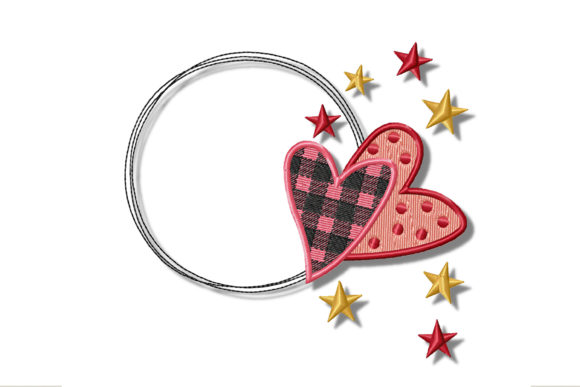
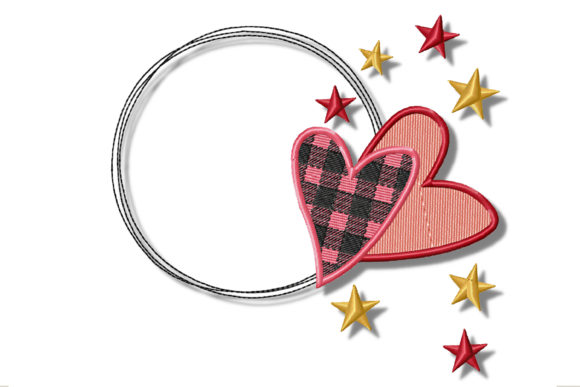
When I first opened the digital file for Frame for Monogram with Checkered Heart, I immediately envisioned it stitched onto a heather oatmeal sweatshirt, the buffalo checkered hearts popping in soft red and blush pink. This is exactly the kind of machine embroidery design that makes a boutique brand feel intentional, curated, and gift-ready without requiring complex digitizing work on the decorator's end. The concept is simple but emotionally appealing: a decorative frame built around classic buffalo checkered hearts, leaving space for personalization.
For the seasonal sweatshirt drop I am currently planning, this design hits several important notes. It reads as cozy, approachable, and slightly rustic without feeling outdated or overly farmhouse. The checkered heart motif carries strong visual recognition, especially for Valentine S Day collections, but honestly, I can see this working from October through February when customers crave warm, layered apparel with thoughtful details.
First Impressions of the Checkered Heart Frame
Opening the embroidery file, I studied the overall composition. The frame structure feels balanced and open enough to accommodate a single letter, two-letter monogram, or even a short name depending on the available negative space. The buffalo check pattern inside the hearts gives the design texture and depth that solid fill hearts simply cannot achieve. This is important because a finished product needs to look dimensional, not flat, especially on textured fabrics like fleece or French terry.
From a design personality standpoint, I would describe this as playful yet polished. The checkered hearts bring a sense of whimsy and nostalgia, while the frame structure keeps everything contained and suitable for centered chest placement. It leans feminine but not excessively frilly, which means it can work for unisex kidswear, women's loungewear, and even pet bandanas if scaled appropriately.
How the Mood Translates to Apparel
When I test-stitched a sample on a sand-colored crewneck, the thread colors I chose were a deep cherry red and a soft ivory for the checker contrast. The result looked expensive, like something you would find in a carefully curated children's boutique or a modern gift shop. On dark fabric, such as charcoal or navy, the hearts demand a slightly brighter red to maintain visibility, and the frame outline benefits from a matte white or cream thread to separate the design from the background.
On pastel bases like blush pink or mint, the design takes on an entirely different personality: softer, more whimsical, almost storybook-like. This versatility is a massive advantage for a small shop product because you can market the same design across multiple colorways and fabrications without it feeling repetitive.
Sweatshirt Embroidery Placement and Strategy
For the boutique line I am developing, placement is everything. Frame for Monogram with Checkered Heart works best as a left chest or center chest embroidery on standard crewnecks and hoodies. The frame structure naturally draws the eye inward, making it ideal for personalized monograms. I have also tested it as a sleeve accent on oversized hoodies, and the result is surprisingly effective when scaled down to around two and a half inches wide.
Here is how I would approach placement across different products:
- Center chest on crewneck sweatshirts: Classic and giftable, perfect for monogrammed presents
- Left chest on zip-up hoodies: Subtle, boutique-level branding with room for back designs
- Sleeve accent on oversized pullovers: Unexpected and trendy, especially on solid neutral bodies
- Back neck placement on denim jackets: A surprising canvas that lets the design shine
- Tote bags and accessory items: Expands the product line beyond apparel effortlessly
Mockup Previews and Etsy Listing Photography
For Etsy seller and digital product presentation, this design photographs beautifully. The checkered pattern reads clearly even in flat lay images, and the frame structure provides natural composition for lifestyle shots. When I prepare mockups, I always recommend showing at least one image with a monogrammed initial inside the frame so customers immediately understand the personalization potential. A printable mockup or lifestyle photo with a neatly embroidered letter elevates the perceived value instantly.
In my experience, designs that imply personalization without requiring it tend to attract higher engagement. Shoppers scrolling through boutique listings pause longer on items that feel made just for them. This frame design communicates that bespoke quality before they even read the description.
Practical Considerations for Stitching and Production
Now let me speak directly to the embroidery shop owners and decorators reading this. Before you load this design onto your machine and start production, there are several technical factors to evaluate. The stitch density on the checkered hearts matters a great deal. Buffalo check patterns rely on crisp intersections and clean color breaks. If the density is too light, the checker effect gets muddy on plush fabrics. If it is too heavy, you risk puckering on lightweight fleece.
I always recommend running a test stitch on the actual blank you intend to use. Do not trust how it looks on basic cotton broadcloth if your final product is a brushed fleece hoodie. The nap of the fabric will interact differently with satin stitches, and you may need to adjust your stabilizer choice accordingly. For most sweatshirt applications, a medium-weight cutaway stabilizer combined with a water-soluble topper gives me consistent, professional results.
Fabric Texture and Stabilizer Matching
When embroidering on thick or highly textured fabrics like cable knit, sherpa, or heavy French terry, the checkered detail might lose some edge definition. I recommend testing whether the hoop size you intend to use allows for enough clearance around the design to avoid hoop burn on delicate or lofty surfaces. Magnetic hoops can be a lifesaver here, especially for bulky garment construction where traditional hoops struggle to grip evenly.
For custom apparel intended for retail, washing durability is non-negotiable. A design that looks perfect fresh off the machine but frays or warps after three washes will damage your brand identity and generate returns. Based on my testing, the frame structure of this design holds up well when using quality polyester thread and proper tension settings. The connected elements provide structural integrity that isolated thin lines often lack.
Color Contrast and Thread Selection
Color decisions make or break this design. The buffalo checkered hearts demand at least two contrasting thread colors to read correctly. Here are combinations I have tested that produce strong results:
- True red and off-white on heather grey: High contrast, classic Americana feel
- Dusty rose and cream on oatmeal: Soft, romantic, perfect for Valentine S Day
- Burgundy and blush on black: Moody and elevated, excellent for winter drops
- Navy and pale blue on white: Crisp and preppy, works well for spring markets
- Forest green and ivory on tan: Rustic and woodsy, suited for fall collections
With a twelve-needle machine, I can set up multiple thread colorways and switch between them efficiently, which matters when you are producing small batches for a boutique brand. The design stitches cleanly enough that color changes do not create registration issues, provided the file itself is well-digitized.
Small-Size Readability and Scaling
One concern I always evaluate is how a design performs at smaller sizes. If you intend to use this for infant onesies, hat patches, or wristlet accessories, check whether the interior checker pattern remains distinct below three inches. Fine check details can close up at reduced scales, turning a textured heart into a blurry blob. I suggest establishing a minimum recommended size for your listings so customers understand what to expect. For commercial embroidery applications, clear communication about sizing prevents disappointment.
Product Value and Brand Perception
Adding Frame for Monogram with Checkered Heart to a sweatshirt automatically signals that the item is giftable. This is a design that customers will purchase for birthdays, anniversaries, bridal party gifts, and of course Valentine's Day. The perceived value of a monogrammed garment is higher than a plain version, which means you can justify premium pricing while still delivering strong margins.
For handmade product sellers and boutique owners, designs that encourage personalization also tend to generate repeat customers. A buyer who purchases one monogrammed sweatshirt often returns to order another with a different initial for a family member. This repeat purchase potential is something I consider heavily when curating my design assets for seasonal collections.
Buyer Trust and Visual Recognition
Consistency builds buyer trust. When customers recognize your brand's aesthetic, they feel confident purchasing without seeing every angle of the product. A signature frame design like this, used consistently across your collection, creates a visual recognition pattern. Shoppers scrolling through a crowded marketplace will stop and think, "That looks like something from this shop," and that familiarity drives clicks and conversions.
The buffalo checkered heart motif is distinct enough to serve as a subtle brand marker. Even without a logo, returning customers will recognize your work based on the embroidery style and recurring design elements. This is valuable for small shops competing against mass-produced alternatives.
Commercial Embroidery Workflow Integration
From a production standpoint, this design integrates smoothly into existing workflows. The digital embroidery file is compatible with multiple machine formats according to the product information, though I always confirm which specific embroidery file types are included before purchasing. Most boutique decorators I know run Brother, Janome, or multi-needle commercial machines, so broad format support matters.
When planning batch production for a limited sweatshirt drop, I estimate thread consumption carefully. Designs with high stitch counts in the fill areas can drain bobbins faster than expected. The checkered hearts, depending on how they are digitized, might require more thread than a simple outline heart would. I recommend running a full test on your target garment, logging your thread usage, timing the stitch-out, and noting any tension adjustments. These small documentation steps save hours of troubleshooting when you scale up.
Quality Control Before Selling
Before any finished product ships to a customer, I inspect for common embroidery issues: thread breaks that leave gaps, registration shifts between color sections, puckering around dense fill zones, and hoop marks on delicate fabric. This design, with its clean frame borders, makes quality inspection straightforward. If something is off, it will be visible against the structured perimeter lines.
I also recommend washing at least one sample multiple times to verify durability. Customers wearing their monogrammed sweatshirt through a season of cozy wear will wash it frequently, and the embroidery needs to hold up without fading, fraying, or distorting.
Who This Design Is Perfect For
If you are a small shop product owner, an Etsy seller building a personalized gift line, or a creative entrepreneur expanding into custom apparel, this frame design deserves a spot in your library. It bridges the gap between seasonal novelty and year-round appeal. The buffalo checkered hearts give it enough personality to anchor a Valentine's Day launch, while the monogram frame format keeps it versatile enough for general gift merchandise.
The machine embroidery design category is crowded with generic options, but designs that combine personalization potential with distinctive art direction stand out. This one does exactly that. I am moving forward with it for my boutique sweatshirt collection, and based on the sample results, I expect strong customer response and repeat ordering potential.
Before production, confirm the hoop size requirements, verify which embroidery file formats are delivered, and test on your chosen blanks with proper stabilizer backing. Once those technical details are dialed in, this design is ready to become a signature piece in your boutique brand lineup.