Love You Gnome Design: Small Business Merch Review
First Impressions: Warmth Meets Professional Potential
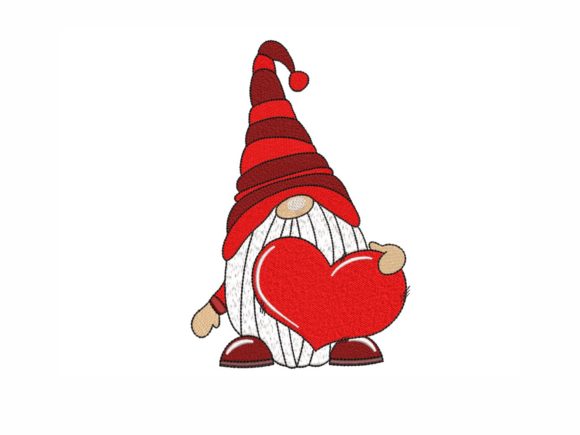
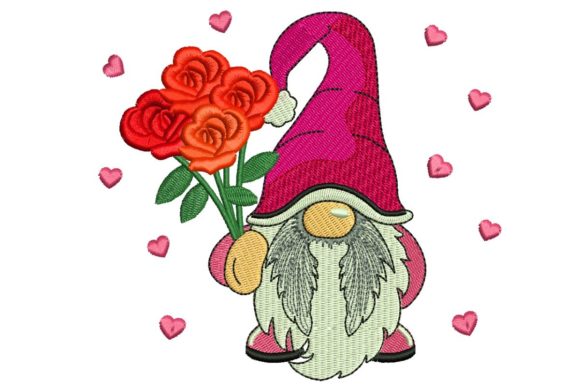
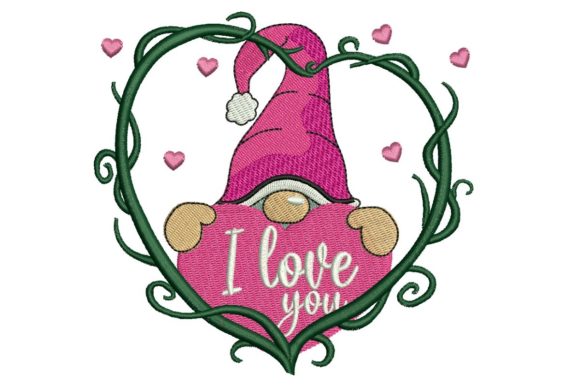
When I first opened the Love You Gnome embroidery design, the immediate feeling was one of approachable charm. This is not an overly complex or aggressively stylized file; instead, it carries a friendly, almost rustic personality that can translate wonderfully into brand experiences. The design, categorized under Valentine S Day, suggests a heart-led theme, but my eyes see far more than a seasonal asset. A gnome holding or surrounded by a loving message feels like a small, proud signature mark—one that could live on a boutique’s packaging, a café apron, or a handmade product label. The clean, positive vibe gives it that "elegant and gorgeous" promise mentioned in the product description, and I can already envision it stitched in soft thread colors against natural fabric textures.
For a small business merch mindset, this design doesn’t scream “holiday only.” Its gnome motif is universal enough to represent coziness, care, and personal connection—qualities any brand would want. My first move as an embroidery designer would be to test it as a monochromatic outline first, then explore thread color contrast to shape its upscale or playful final look.
Business Applications: Where Love You Gnome Truly Shines
The power of Love You Gnome lies in its adaptability across multiple real-world business products. Throughout my years digitizing and testing machine embroidery designs for commercial clients, I’ve learned that a single strong visual can anchor a merchandise line. This design has that quality.
Embroidered Patches: The Heart of Branded Add‑ons
Creating an embroidered patch from this design is an obvious and lucrative choice. Whether sewn onto a beanie, backpack, or packaged as a standalone gift with purchase, the gnome instantly boosts perceived value. A boutique selling handmade skincare could include a sew-on patch with every gift set, turning the packaging into a keepable item. I’d recommend testing the final stitch density at patch size—reducing it slightly if outlines become too thick—to keep the gnome recognizable and crisp. A soft merrow border or a clean satin‑stitch edge can change the patch from playful to premium.
Staff Uniforms and Apron Embroidery
I constantly advise bakeries, florists, and small pet brands to consider apron embroidery as part of their identity. Love You Gnome placed on the left chest of a café apron or a workshop smock delivers that immediate “this is us” feeling. The design’s friendly character softens a uniform while keeping it professional. When stitching on twill or denim aprons, however, pay close attention to fabric texture. A heavy stabilizer is non‑negotiable to prevent the tiny gnome details from sinking into the weave. I would place it on the upper bib area, steering clear of deep folds and high‑stress zones to preserve the embroidery after frequent washing.
Cap Embroidery and Curved Surface Challenges
Cap embroidery requires specific design traits. Small, compact designs with minimal thick fills work best on structured fronts. The Love You Gnome design, if digitized with reasonable density, can fit a cap’s side panel or a subtle front position without distorting. However, I would avoid making it too large on a cap back or attempting to stitch it over a center seam. The gnome’s potential small lettering or fine outlines could warp on curved surfaces, so a pre‑production test on an actual cap frame is mandatory. When it works, it adds a signature detail that sets a brand apart from generic logowear.
Tote Bag Design and Customer Giveaway Appeal
A tote bag design featuring Love You Gnome instantly becomes a walking advertisement. Canvas totes used as purchase bags, gift bags, or event merchandise offer a generous flat embroidery area. I’d position the gnome slightly off‑center, aligned with the brand’s name, or run it as a repeating mini motif along the bottom. The charming face invites engagement; a customer carrying that bag becomes a personal brand ambassador. Since tote bags endure heavy use, I always use a cut‑away stabilizer to prevent the embroidery from puckering over time.
Brand Identity and Customer Trust Through Thoughtful Design
Every time I guide a small business owner, I focus on how an embroidery file pulls together their entire visual story. Love You Gnome communicates warmth, heart, and handcrafted care—exactly the qualities that build brand identity. A consistent, repeated gnome accent across packaging, staff wear, and product labels trains the customer’s eye. It signals handmade product values even if part of the process is commercial. Buyers connect emotionally to a character, and that connection increases recognition and repeat sales.
For a creative studio or Etsy seller, using this design as part of customer gifts or thank‑you packaging elevates the unboxing experience. It also aids visual consistency that makes a brand look deliberate and professional, not cobbled together. Importantly, a well‑placed gnome on a premium tote or linen apron can justify a higher product price point, because it transforms the item into custom merchandise that buyers perceive as intentionally made.
Practical Embroidery Designer Notes: Before You Stitch for Business
My studio routine involves a hard‑earned checklist that I strongly recommend when using Love You Gnome for any commercial embroidery project. First, always review the digital embroidery file in your software to confirm hoop size and check that the design sits comfortably within your machine’s range. The product description states it comes with “multiple e”—which likely refers to multiple file formats or sizes, but I advise verifying exactly which formats and dimensions are included before relying on it for a large production run. Never assume.
Next, run a test stitch on the actual fabric you intend to use. I start with black thread on white fabric to judge pure shape and stitch density, then reverse to white on black to see how the negative space breathes. Checking thread colors contrast is critical. If the gnome’s beard or tiny hands are too finely detailed, they may vanish on dark uniforms. I often slightly reduce the density for small patch sizes to avoid stiff embroidery that irritates skin on apparel. When testing on textured fabric like canvas or sweatshirt fleece, I use a floating topper to keep fine stitches from burying.
Create a printable mockup for client approval. I never skip this step, especially when presenting to a boutique or local café. A digital visual overlaid on an apron or cap photo helps set realistic expectations and avoids miscommunication about placement and scale. Compare the Love You Gnome design beside your other design assets to ensure it fits the family look. If your brand already has a floral logo or a script wordmark, test how the gnome sits alongside them on a tote or sleeve.
Finally, confirm commercial licensing. The ability to sell items bearing this embroidery depends on the supplier’s terms. While the design is clearly positioned for business use given its product type Embroidery, I never launch a branded merchandise line without double‑checking that the license permits commercial finished product sales, not just personal use. That one step protects your small business merch from legal headaches.
Careful Use Considerations: Where Precision Matters
Even the most delightful design has specific limitations. Love You Gnome probably includes fine outlines or delicate inner details. These can become problematic on very small patch sizes—under 2 inches—where thread builds up quickly and tiny lettering may become illegible. Cap fronts with a curved bill and center seam are risky; I’d rather use the design on a cap’s side or back closure area unless you have a specialized cap frame and have tested the digitizing specifically for cap embroidery. High‑stitch‑density areas can feel boardy on thin shirts, so on garments that need a soft hand, request a lighter density version if available.
Fabric texture is another deciding factor. Loosely woven linen or chunky knit beanies can swallow the gnome’s features. Always test, and be ready to upsize slightly or choose a smoother substrate. If the design will be washed frequently on uniforms, use polyester thread for colorfastness and back the embroidery with a soft cover to protect skin. Small businesses that rely on product consistency should sew out a sample, wash it ten times, and evaluate before ordering a full production run.
How Love You Gnome Elevates a Real Brand: A Creative Studio Scenario
Imagine a small plant and pottery studio called “Terra & Thyme.” They want branded merchandise that feels personal. They take Love You Gnome and stitch it onto linen tea towels used in gift baskets, then as a chest logo accent on their workshop aprons. The design is paired with a subtle “Terra & Thyme” arched text underneath. On their website, the embroidered gnome appears in flat lay photos, on packaging hang tags, and as the focal point of a custom embroidered patch sold to customers as a collectible. The brand instantly feels more established, friendlier, and memorable. This kind of application transforms an embroidery design into a true business asset.
Final Designer Verdict on Business Viability
From a professional embroidery designer’s view, Love You Gnome offers far more than a decorative file. Its character‑led nature makes it a versatile branding agent for cafés, handmade brands, pet boutiques, florists, creative studios, and any business that wants to signal heart. When tested correctly and placed thoughtfully, it performs beautifully across patches, uniforms, totes, and packaging accents. Pay attention to sizing, thread contrast, stabilizer choice, and legal terms, and you’ll have a design that turns everyday merchandise into a branded experience. A gnome like this, given proper real‑fabric testing, can definitely become the silent ambassador of your handmade product or custom apparel line.