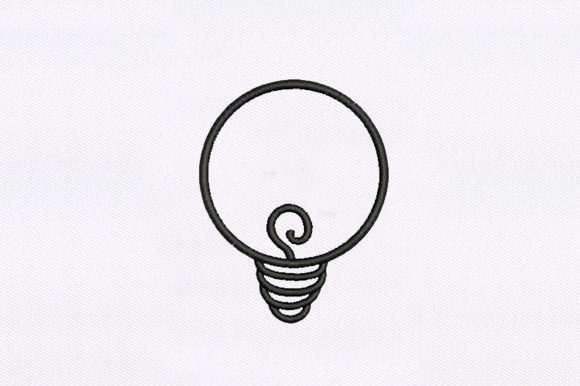
Electric Bulb Embroidery Design: A Seasonal Review
When I first opened the Electric Bulb file and let the preview render on screen, I immediately felt that warm, nostalgic glow every holiday seller chases. This is not just a simple light bulb outline. It carries a gentle, cozy mood that sits perfectly between playful and elegant — the kind of design that makes a customer pause on an Etsy listing and imagine it stitched onto a gift for someone they love. As someone who plans seasonal product collections months in advance, I look for designs that trigger that exact emotional response. Electric Bulb does it quickly and quietly, without trying too hard.
The decorative style leans toward a clean, recognizable silhouette with enough detail to feel intentional but not so much that it becomes fragile or hard to stitch. It evokes a sense of warmth, illumination, and home — exactly the feelings shoppers gravitate toward during holiday gifting seasons. Whether your brand voice is rustic farmhouse, modern minimalist, or cozy family-centered, this machine embroidery design can adapt beautifully with color choices and fabric selection. The emotional tone is comforting, slightly nostalgic, and universally appealing, which is rare in a single motif.
First Stitch Impressions and Seasonal Versatility
I test-stitched Electric Bulb on a medium-weight cotton canvas first, using a soft gold thread with a dark charcoal background. The contrast was striking. The shape read clearly from across the room — a critical factor when you plan to sell finished products at craft fairs or through social media product photos. The design holds its own as a standalone focal point on a pillow cover or tote bag, yet it also plays well in a grouped layout for family matching sets or bundled kitchen linens.
For holiday embroidery collections, versatility matters more than almost anything else. A design that only works on one type of product limits your revenue. Electric Bulb feels right on:
- Cozy sweatshirts and hoodies for winter gift drops
- Canvas tote bags for holiday market shoppers
- Kitchen towels and aprons for hostess gifts
- Pillow covers that add seasonal warmth to home decor
- Plush baby blankets and onesies for new family gifts
- Ornaments and small hanging decor pieces
- Embroidered patches for jackets and backpacks
- Table linens and napkin corners for festive table settings
The design falls under the House category, which makes sense — it carries that hearth-and-home feeling that sells strongly from October through January, and again during spring gifting seasons. I can already picture a set of kitchen towels with this design paired alongside a coordinating holly or pine motif for a complete holiday bundle.
How Electric Bulb Performs in Real Selling Situations
Let me walk you through how I evaluate a digital embroidery file like this one for actual selling scenarios. I think about the Etsy seller who needs a design that photographs well in flat lays and styled mockups. Electric Bulb shines here because its shape is instantly recognizable even in thumbnail size. When a shopper scrolls through dozens of listings, clarity wins. This design gives you that instant read.
For craft fair displays, I look for designs that stop someone mid-stride. A glowing bulb motif stitched in metallic or bright thread on a dark tote bag catches light and attention. It invites questions: "Is that embroidered? Can you do that on a sweatshirt?" Those questions lead to custom orders and impulse buys. Electric Bulb has that magnetic quality when stitched with thoughtful thread choices.
Limited edition apparel drops benefit from designs that feel special but not overly complicated. Electric Bulb works as a small chest logo, a larger back placement, or even a repeating pattern element. For personalized gifts, I would add a name or short date beneath the bulb in a complementary font — simple, clean, and highly giftable. The emotional connection is immediate because light symbolizes warmth, ideas, and togetherness.
Social media previews and product mockups are also easier with a design this clear. You can drop it into a printable mockup scene — a cozy living room, a wrapped gift setting, a holiday kitchen — and the design anchors the image. This saves time and money compared to stitching every sample before listing.
Where to Use Electric Bulb Carefully
No design works everywhere, and honest evaluation means flagging the limitations before you invest in production. Here is where I would exercise caution with Electric Bulb:
- Small hoop sizes: If the detail lines are tightly spaced, shrinking this design too far could cause thread buildup and loss of clarity. Test at your intended size before committing to a bulk run on infant items or slim accessory panels.
- Tiny lettering: If you plan to add text near the bulb, keep it large enough to remain legible after repeated washing. Intricate script fonts paired with a detailed bulb can muddy the overall look.
- Thick towels and high-pile fabrics: The bulb's finer details may sink into plush surfaces. Use a topper stabilizer and consider enlarging the design slightly for terry cloth or fleece.
- Dark fabric with dark thread: The design relies on contrast for impact. A charcoal bulb on a black sweatshirt loses the glow effect that makes it special. Always test thread colors on both light and dark fabric swatches.
- Metallic thread: While metallic thread amplifies the bulb theme beautifully, it can be finicky. Slow your machine speed, use a metallic needle, and expect more thread breaks. Factor that time into your production planning.
- Stretchy garments: On highly elastic fabrics, ensure you use the correct stabilizer and possibly a light fusible backing to prevent distortion of the circular bulb shape.
- Curved caps: The bulb's vertical orientation may not sit well on a structured cap front. Test placement carefully if you plan hat offerings.
- Repeated washing: The design should hold up well if properly digitized, but always wash-test a sample to ensure no thread shifting or density issues appear over time.
How Electric Bulb Affects Seasonal Appeal and Buyer Emotion
During holiday shopping periods, buyers are flooded with options. They make split-second decisions based on feeling. Electric Bulb triggers warmth, nostalgia, and a sense of home — emotions that drive gift purchases. When a customer sees this design on a pillow cover, they do not just see thread. They imagine it on their couch during Christmas morning. They picture their mother-in-law unwrapping an embroidered kitchen towel and smiling. That emotional bridge between product and memory is what turns browsers into buyers.
The product value increases because the design implies meaning. A simple bulb can represent bright ideas, cozy evenings, or the spirit of giving light to others. This symbolic flexibility makes the design suitable for Christmas, Hanukkah, winter solstice, housewarming gifts, and even back-to-school teacher appreciation items. As a small shop product creator, you can position this design across multiple micro-seasons and occasions, extending its selling life beyond a single holiday week.
Giftability is also high. The bulb motif is gender-neutral, age-inclusive, and not tied to one specific tradition. This widens your customer base. A grandparent buying for a new baby, a friend shopping for a coworker, a couple decorating their first home together — all can connect with this design. When you add personalization options like names or dates, the perceived value and willingness to pay premium prices both rise.
Customer trust grows when your product line feels cohesive. Using Electric Bulb alongside complementary designs in a curated holiday collection signals that your brand is intentional, not random. Shoppers trust a shop that looks thoughtfully stocked. Visual recognition builds quickly when you use this design consistently across product types, packaging, and social media imagery. Over time, customers associate that glowing bulb with your brand identity.
Practical Embroidery Designer Notes
Before you load Electric Bulb onto your machine for a production run, here are the steps I recommend based on years of seasonal selling experience:
- Test thread colors on both light and dark fabric. A warm gold or amber thread on cream fabric feels soft and vintage. A crisp white or icy silver on navy or burgundy feels modern and festive. Do not assume one palette works universally.
- Check stitch density. Open the embroidery file in your software and review the density map. Overly dense areas can cause puckering on lightweight fabrics. Underly sparse areas may leave gaps on stretchy or textured surfaces.
- Confirm hoop size. Measure the design dimensions before stitching. Ensure it fits comfortably within your intended hoop with adequate clearance for your chosen stabilizer method.
- Use proper stabilizer. For woven fabrics like linen or cotton, a medium cutaway stabilizer usually suffices. For knits and fleece, consider a fusible backing to prevent distortion. For towels, add a water-soluble topper.
- Create realistic mockups. Before stitching every variant, use digital mockup tools to present the design on different products. This saves time and helps you gauge customer interest before committing thread and fabric.
- Review small details after stitching. Examine the bulb's outline, filament details, and any connection points. Look for thread breaks, gaps, or uneven tension. A magnifying glass or phone camera zoom helps catch issues before customers do.
- Plan matching color palettes. If you are building a seasonal collection, select thread colors that coordinate across multiple designs. This creates a unified look for bundles, family sets, and gift collections.
- Confirm commercial licensing. The file formats provided — including 10O, ART, CND, DSB, DST, DSZ, EXP, HUS, JEF, PCS, PEC, PES, TAP, VIP, VP3, XXX — give you broad machine compatibility. However, always verify that your intended use of the finished product aligns with the designer's terms. Selling physical items made with this digital embroidery file may require a commercial license. Check before listing.
Integrating Electric Bulb Into Your Holiday Product Line
As I plan my own seasonal shop collection, I consider how each design earns its place. Electric Bulb is not a one-hit wonder tied to a single holiday date. It works for early winter drops, Christmas gift bundles, New Year refresh merchandise, and even Valentine's Day if paired with heart motifs or warm red tones. That extended selling window matters deeply for cash flow as a small shop owner.
Here is a concrete product roadmap I would follow with this design:
- October: Launch on kitchen towels and table linens for Thanksgiving hostess gifts.
- November: Expand to sweatshirts, hoodies, and tote bags for Black Friday and holiday gifting.
- December: Offer ornament versions and personalized pillow covers for last-minute shoppers.
- January: Reposition the design for cozy winter home decor and New Year organization themes.
- February: Pair with romantic or warm-toned accents for Valentine's and Galentine's gift items.
This kind of planning turns a single machine embroidery design into a multi-month revenue stream. The embroidery quality and emotional resonance of Electric Bulb make that entirely achievable.
Final Thoughts From the Stitching Table
After reviewing Electric Bulb thoroughly — from digital preview to stitched sample to mockup placement — I can confidently say this design belongs in a seasonal seller's library. It stitches cleanly when settings are dialed in, it photographs well for listings, and it connects emotionally with the holiday shopper in a way that feels genuine, not gimmicky. It carries enough simplicity to remain timeless and enough charm to feel special.
For the Etsy seller building a holiday collection, the handmade gift maker preparing for market season, the small business owner seeking versatile holiday embroidery options, or the apparel decorator crafting limited edition pieces — Electric Bulb is a smart, warm, and commercially sound choice. Test it thoughtfully, use it intentionally, and let it bring that gentle glow into your seasonal product lineup.