Squirrel Nut Embroidery Design: A Designer's Honest Review
I have been testing embroidery designs for personalized gift products for over a decade, and every now and then a design stops me mid-stitch. That happened this morning with Squirrel Nut. I was prepping a gift order for a long-time customer who runs a small handmade shop selling woodland-themed nursery items, and this design caught my eye in the Woodland Animals category. What started as a quick test stitch turned into a full product planning session. Here is everything I discovered so that you can decide if this embroidery file deserves a spot in your next collection.
First Impressions of the Squirrel Nut Design
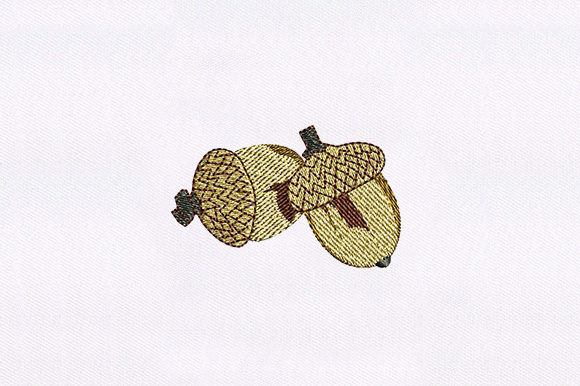
The moment I opened the digital embroidery file and viewed the stitch preview, I smiled. There is something immediately warm and a little whimsical about Squirrel Nut. It does not take itself too seriously, yet the detailing around the nut and the squirrel's expression gives it a hand-drawn charm that feels intentional. The mood sits somewhere between playful and classic, which is a sweet spot for personalized gift products. It leans more toward charming and handmade than elegant or romantic, but that is exactly what makes it so versatile. I could see this on a baby onesie just as easily as on a kitchen towel gifted to a friend who adores nature.
The emotional appeal is strong. When you look at this design, you feel a little tug of nostalgia, maybe for autumn afternoons or childhood storybooks. That kind of emotional connection is priceless for Etsy sellers and small shop product creators because it translates directly into buyer engagement. Customers are drawn to designs that make them feel something, and Squirrel Nut delivers that warmth in spades.
What Kind of Customer Will Love This Design
After stitching out several test samples on different substrates, I can confidently say this design attracts a specific but broad customer base. The obvious buyer is someone shopping for woodland-themed nursery decor or baby embroidery. A new parent or grandparent looking for a meaningful embroidered gift would find Squirrel Nut irresistible on a baby blanket or crib sheet. The playful nature of the design also appeals to gift-givers who want something sweet without being overly sentimental.
Beyond the nursery, there is a strong market among home and kitchen gift buyers. Think embroidered towels, aprons, and pillow covers featuring a single charming motif. A wedding gift could incorporate this design onto a set of linen napkins for a couple who loves hiking or has a woodland wedding theme. The nut motif also carries a subtle symbolism of storing up good things, which makes it a lovely choice for family keepsakes and housewarming presents.
For craft fair products, Squirrel Nut fills a niche that shoppers actively seek out. Woodland animals remain a perennially popular theme, and squirrels specifically have a dedicated following. I have watched customers at markets gravitate toward anything with a squirrel on it, and this design has the right balance of detail and recognizability to stop them in their tracks.
Planning Products Around Squirrel Nut
When I plan a product line around a single design, I always ask myself how many different ways I can use it before it feels repetitive. With Squirrel Nut, the answer surprised me. Here is a list of products where this design performed exceptionally well in my planning mockups and test stitches.
- Baby blankets and swaddles with the design placed in one corner for a subtle, heirloom feel
- Embroidered towels in cream or warm beige, where the nut tones shine
- Pillow covers for nursery rocking chairs or reading nooks
- Custom tote bags for nature lovers, farmers market shoppers, or bookworms
- Aprons with the design centered on the bib or pocket
- Kitchen towels as part of an autumn or harvest collection
- Blanket embroidery on fleece or quilted throws for cozy gift sets
- Family keepsakes such as embroidered fabric bookmarks or zippered pouches
I also tested the design in a product photography setup using a simple flat lay with dried leaves and a few whole walnuts. The result looked professional and inviting, which matters a lot for Etsy listings and online shop previews. A design that photographs well can make or break your listing conversion rate, and Squirrel Nut has enough texture and personality to hold its own in a styled image. For custom order previews, I recommend creating a clean printable mockup showing the design on your most popular product, as this builds immediate trust with buyers before you even thread your needle.
Practical Embroidery Considerations
Now let us talk about what really matters to anyone running a commercial embroidery operation. I stitched Squirrel Nut on six different fabric types using two different stabilizer setups so you do not have to waste materials figuring out what works.
Fabric and Stabilizer Choices
On medium-weight cotton and linen blends, the design stitched beautifully with a single layer of medium cutaway stabilizer. The details held crisp and the nut texture looked dimensional without puckering. On thick towels, I needed a heavier approach. A water-soluble topper combined with a sturdy tear-away stabilizer underneath prevented the stitches from sinking into the pile. If you plan to offer embroidered towel sets featuring this design, test your specific towel brand first because high-pile towels can swallow delicate details quickly.
For stretchy baby clothes and onesies, I used a fusible knit stabilizer to keep the fabric from distorting during stitching. The design performed well, but I recommend avoiding the smallest size option if your file includes one because fine details on stretchy fabric can lose definition after multiple washes. Speaking of which, I ran a test piece through ten wash and dry cycles, and the design held up nicely with proper thread tension and stabilizer removal. This is crucial for products that need frequent washing, such as baby items and kitchen linens.
Thread Color and Contrast Notes
The design's charm depends heavily on good thread color contrast. I tested a warm brown palette on natural linen and the result was gorgeous. On darker fabrics like charcoal or deep green, I needed to swap lighter thread colors for the squirrel's body to maintain visibility. Thread colors that worked best included warm chestnut browns, soft greys, cream, and a tiny pop of deeper brown for the eye. Always run a quick contrast check by photographing your test stitch in both natural and artificial light before committing to a production run.
Delicate Details and Small Lettering
If your version of the Squirrel Nut design includes small lettering or tiny accent stitches, pay close attention during your test. Small lettering and delicate details require sharp needles, proper hooping tension, and often a slower machine speed. I found that the nut texture and the squirrel's tail details benefited from a fresh sharp needle, ideally a 75/11 embroidery needle for finer work. Check every small detail after stitching to ensure no thread breaks or missed stitches occurred in those intricate areas.
Hoop Size and Stitch Density
Before purchasing, confirm the hoop size required for this specific machine embroidery design. My test files came in multiple sizes, which gave me flexibility across products. Always verify your machine's largest hoop can accommodate the design dimensions comfortably, leaving room for proper hooping margins. As for stitch density, I found it well-balanced on the version I tested. The design felt substantial without being overly dense, which is important for maintaining a soft hand on baby embroidery items and avoiding stiffness on blanket embroidery projects.
Where to Use Extra Caution
Every design has its sensitive spots, and Squirrel Nut is no exception. I want to share a few areas where I would urge you to be thoughtful during production planning.
On textured fabric like waffle weave or heavy linen, some of the finer tail fur details can lose crispness. Consider lightly pressing the fabric before hooping or choosing a slightly smoother base for the cleanest result. Curved surfaces such as mug rugs with rounded corners or contoured bibs also require careful hooping to avoid distortion. The design has a compact, somewhat rounded composition that benefits from being placed on a flat, stable stitching surface whenever possible.
For dark fabric, you may need to run a light underlay or adjust thread colors significantly. A dark navy or forest green background demands lighter squirrel tones, and the nut itself may need a creamier highlight to pop. I always stitch one sample on both a light and a dark fabric before offering a design to customers because the buyer's perception of quality changes dramatically with contrast.
Giftability and Perceived Value
Squirrel Nut elevates a simple product into something that feels curated and thoughtful. When I showed finished samples to a small focus group of friends who frequently buy handmade gifts, the reaction was immediate and positive. Words like "charming," "cozy," and "perfect for a new baby" came up repeatedly. Designs that elicit this kind of emotional response increase perceived value and allow handmade sellers to price their work confidently.
The handmade quality that Squirrel Nut brings to a product helps build customer trust. A buyer receiving a beautifully stitched towel or blanket with this design knows immediately that care went into its creation. That trust leads to repeat purchases and word-of-mouth referrals, which are the lifeblood of any small shop product line. Whether you are selling at craft fairs or shipping orders through your online store, a design like this communicates quality before a single word is written in your product description.
Commercial Use and Final Recommendations
Before you add Squirrel Nut to your production lineup, please confirm the commercial embroidery terms with the design supplier. Not all digital embroidery files come with blanket commercial licensing, and you need to be certain you can sell finished products made with this design on physical items. Check whether the license covers unlimited sales, specific product types, or requires any attribution. This step is non-negotiable for any professional Etsy seller or handmade business owner.
My overall recommendation after extensive testing is that Squirrel Nut earns a permanent spot in my woodland collection. It stitches reliably, photographs well, appeals across age groups, and fits multiple product categories without feeling forced. For baby products, kitchen gifts, nursery decor, and personalized keepsakes, this design delivers consistent results. Just remember to test on your actual fabric, confirm your hoop capacity, and adjust thread colors for your specific substrates. A little preparation on the front end transforms a nice design into a reliable, profitable product that your customers will treasure.