Lonely Deer Embroidery Design for Branded Merch Review
When a small business client reaches out asking for an embroidered identity mark that feels both gentle and memorable, I immediately think of designs that carry personality without shouting. Lonely Deer is one of those rare machine embroidery designs that walks the line between rustic charm and professional polish. In this review, I want to walk through what makes this woodland animal design a serious contender for branded merchandise, embroidered patches, and commercial embroidery projects, and where you need to exercise a bit of designer caution before sending it to production.
First Impression of Lonely Deer
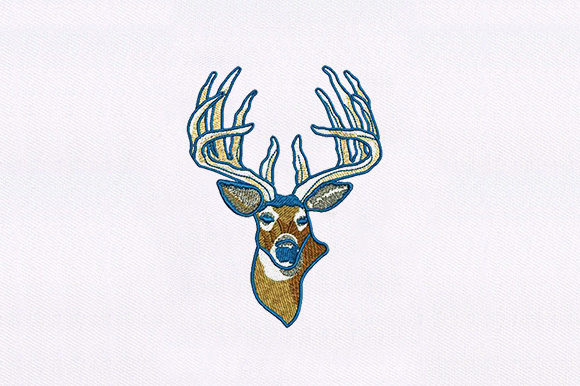
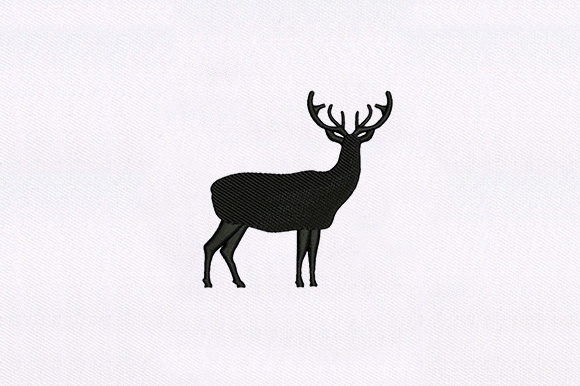
Opening the embroidery file, the first thing that struck me was the quiet confidence of the composition. This is not an overly complex or cluttered design. It reads clearly as a deer, with enough detail to feel intentional but not so much that it becomes fragile in stitch form. The mood leans more rustic and handmade than corporate or sleek, which makes it incredibly versatile for brands that want to appear approachable, natural, or artisan-driven. I could immediately picture it stitched onto a café apron, a boutique tote bag, or the chest of a work shirt for a small florist or bakery team.
The name Lonely Deer itself adds storytelling potential. A brand can build a narrative around that solitary, graceful figure, whether it represents quiet craftsmanship, independent spirit, or a connection to nature. From a branding standpoint, that emotional layer is worth its weight in thread.
How Lonely Deer Fits Into Real Small Business Merchandise
Over the years, I have tested hundreds of machine embroidery designs on everything from caps to canvas pouches. The real question is not whether a design looks good on screen, but whether it holds up across the variety of products a small business actually needs. Here is where Lonely Deer really earns its place in a commercial embroidery file collection.
Embroidered Patches for Brand Identity
Patch production is one of the first applications I evaluate. A clean, recognizable silhouette with manageable stitch density makes for a patch that sews out consistently and attaches cleanly to hats, jackets, and bags. Lonely Deer has that quality. The shape is defined enough to work as a standalone embroidered patch, yet it remains open to being paired with brand text or a circular border if a client wants a more traditional patch format. I would strongly recommend testing it at the intended patch size first, since even a slight reduction can alter how the details read on textured fabric.
Apron Embroidery for Cafés, Bakeries, and Studios
An apron offers a generous, flat embroidery surface, which is a designer's dream. Lonely Deer sits beautifully on an apron chest or bib area. For a coffee shop or a handmade bakery, this design reinforces a warm, handmade identity without looking like a mass-produced logo. The design's woodland animal roots suggest natural ingredients, slow craft, and personal attention, exactly the message many food and craft businesses want to send. Choose thread colors that contrast well with the apron fabric, and always use a suitable stabilizer to prevent puckering over time.
Cap Embroidery and Curved Surface Challenges
Cap fronts are notoriously unforgiving. The curved surface, center seam, and limited vertical space mean many designs fail here. Before committing Lonely Deer to a structured cap, I would digitize a test stitch-out on a similar curve. The design should be sized modestly to avoid distorting near the cap edges, and stitch density must be checked carefully. A design that looks elegant on a flat tote bag can turn bulky and stiff on a cap if the density is too high. If the spacing and scale are right, this could become a signature cap accent for a brand that wants a subtle, nature-inspired mark.
Tote Bag Design and Product Packaging Accents
Canvas tote bags are a staple for boutiques, bookstores, gift shops, and event merchandise. Lonely Deer offers exactly the kind of understated decorative mark that makes a tote feel like a premium product rather than a free giveaway. I have found that placing the design off-center or in the lower corner can elevate the entire feel, giving it an artful, curated look. For product packaging, small embroidered hang tags or fabric wraps featuring this deer can tie a brand's visual identity together seamlessly.
Where You Need to Be Careful With Lonely Deer
Professional embroidery designers know that no single design works universally without adjustments. There are specific scenarios where Lonely Deer requires a careful hand and honest testing before production begins.
- Small patch sizes: If a client wants this as a tiny chest accent or a miniature label, the detail may close up. Always run a sew-out at the exact intended dimensions before approving a bulk order.
- Dark uniforms and thread color contrast: A design that reads perfectly on light fabric can disappear on navy or black. Test thread colors against the actual garment to preserve visibility and brand identity.
- Textured or heavily napped fabrics: Toweling, fleece, and loose-weave canvas can swallow fine details. Use a topping and proper stabilizer to keep the stitch definition intact.
- Frequent washing environments: Work uniforms and aprons undergo harsh laundering. Verify thread quality and stitch security so the finished product endures commercial use.
How Lonely Deer Shapes Customer Perception and Brand Value
When a small business stitches a design onto their merchandise, they are not just decorating fabric. They are embedding a visual signal that customers associate with quality, trust, and professionalism. Lonely Deer communicates a gentle, authentic brand personality. It avoids the aggressive feel of some bold logos and instead invites the customer into a quieter, more considered brand experience. That can translate directly into higher perceived product value, stronger buyer engagement, and a more cohesive handmade presentation across all merchandise.
For Etsy sellers and craft business owners, this design can serve as a unifying mark across product lines. When a customer sees the same deer on a pouch, a customer gift tag, and a staff member's apron at a market stall, the repetition builds recognition and trust. Visual consistency is one of the most underrated tools in small business merch, and a well-chosen embroidery design is the anchor of that consistency.
Practical Designer Notes for Production Success
Before any client file goes into production, I follow a personal checklist that has saved countless hours and materials. When working with Lonely Deer, I recommend the same disciplined approach.
- Test in black and white first: Remove the color variable and study the form, spacing, and clarity. A design that holds up in monochrome will almost always sew well in color.
- Check at small patch size: Scale the design to the smallest intended use and examine the stitch integrity. Even a few millimeters matter.
- Review thread color contrast: Select colors with enough contrast against the intended fabric. Muted tones can blend together under certain lighting.
- Inspect spacing and stitch density: Overly dense stitching leads to stiffness and thread breaks. Overly sparse fill leaves gaps. Find the balance.
- Confirm hoop size: The design must fit comfortably within the target hoop with adequate clearance for the machine's presser foot.
- Test on real fabric: A sew-out on the actual production material is non-negotiable. Stabilizer choice, tension, and fabric texture all interact with the final result.
- Use proper stabilizer: Match the stabilizer to the fabric and the design density. Cut-away, tear-away, and wash-away each have their place.
- Create a printable mockup for client approval: Showing a realistic digital preview helps manage expectations and secures confident sign-off before stitching begins.
- Compare beside other design assets: If the brand uses multiple visual elements, check that the deer harmonizes with typefaces, borders, and secondary motifs.
- Confirm commercial licensing before business use: Verify that the embroidery file formats you hold are cleared for commercial embroidery on products sold for profit. File formats like ART, CND, DSB, DST, DSZ, EXP, HUS, JEF, PCS, PEC, PES, TAP, VIP, VP3, and XXX are widely compatible, but licensing terms vary and should be checked individually.
File Format Compatibility and Production Readiness
The Lonely Deer design type is a machine embroidery design available across an impressively broad range of embroidery file formats. Having access to 10O, ART, CND, DSB, DST, DSZ, EXP, HUS, JEF, PCS, PEC, PES, TAP, VIP, VP3, and XXX means this digital embroidery file can be loaded into nearly any commercial or home embroidery machine without conversion headaches. That wide compatibility is a major advantage for embroidery shops and decorators who run multiple machine brands under one roof.
Before production, always open the specific file format your machine requires and verify that stitch data, color stops, and trims are preserved correctly. Some conversions can subtly shift registration or alter stitch direction. A quick test stitch-out catches those issues early.
Where Lonely Deer Fits Into a Growing Brand's Merchandise Strategy
I have seen brands evolve from a single embroidered apron to a full merchandise line built around one strong visual element. Lonely Deer has the quiet versatility to anchor that growth. It can start as a chest logo accent on a work shirt, expand onto tote bags and customer gifts, and eventually become the recognizable embroidered patch on limited-edition event merchandise. Because it belongs to the woodland animals category, it carries an organic warmth that resonates across markets, from pet brands and florists to creative studios and boutique retail.
The finished product that carries Lonely Deer will feel more considered, more personal, and more aligned with handmade values than a generic stock logo ever could. That is the advantage of choosing a design with emotional clarity and a strong visual personality.
Final Thoughts From the Embroidery Room
After reviewing Lonely Deer through the lens of commercial embroidery, branded patch production, staff uniforms, and small business merchandise, I can confidently say it earns its place in a professional digitized library. It offers the right balance of detail and sewability, it adapts well to multiple product surfaces, and it carries a brand story that customers feel before they consciously recognize it. Respect the technical boundaries, test thoroughly on each substrate, and this design will repay the effort with merchandise that strengthens brand identity and builds genuine customer connection. For the embroidery shop, the handmade brand, the Etsy seller, and the product designer, Lonely Deer is a design asset worth investing in.