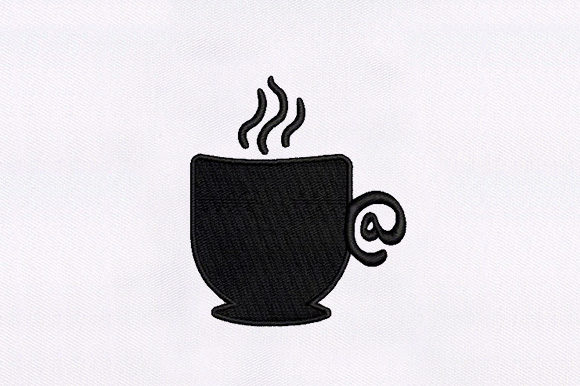
Hot Coffee Cup Embroidery Design: A Stitcher's Honest Review
Some embroidery designs land in your digital library and immediately spark a dozen project ideas. The Hot Coffee Cup machine embroidery design is exactly that kind of file. As a designer who has tested hundreds of embroidery designs on everything from delicate baby onesies to heavy denim jackets, I have learned to spot the difference between a design that looks good on a screen and one that actually delivers clean, professional results on fabric. This design has personality, and I want to walk you through what I see, what I would use it for, and where you need to be careful before loading up your machine.
First Impressions and Visual Personality
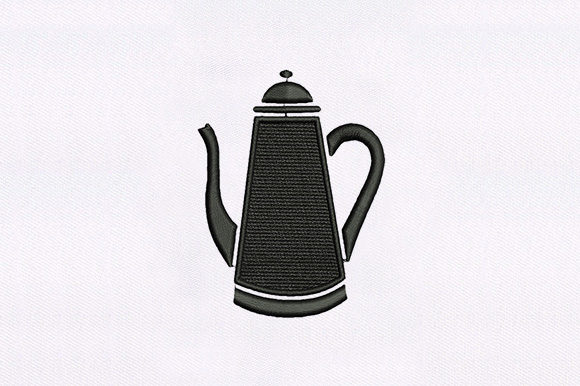
When I opened the Hot Coffee Cup design, the first thing that struck me was how instantly recognizable the motif is. A steaming cup of coffee carries warmth, comfort, and that cozy morning energy that so many customers connect with. Whether you are stitching for a boutique coffee shop merchandise line, a cozy kitchen towel set, or a personalized gift for a caffeine-loving friend, this design taps into a universally loved theme. The shape reads clearly, which is critical for embroidery. If a design loses its silhouette under thread, no amount of detail saves it. This one holds its own.
The mood here is inviting and familiar, not trendy or over-stylized. That is a practical advantage. Trendy designs can feel dated after one season, but a well-executed coffee cup has staying power. I immediately pictured this stitched on natural linen tea towels, cream-colored aprons, and soft cotton tote bags. The design belongs in what I call the "everyday luxury" category, items people use regularly but feel special because of the handmade touch.
Where This Design Truly Shines
After evaluating the Hot Coffee Cup design closely, I can confidently say it belongs on projects where the stitching takes center stage. Let me share a real scenario. Last month, a client asked me to create a small run of embroidered kitchen aprons for a local café. They wanted something that felt handcrafted but polished enough to sell at their front counter. A design like this would have been perfect. The coffee theme aligns naturally with the product, and customers buying a café-branded apron expect exactly this kind of visual storytelling.
For custom apparel, this design would work beautifully on sweatshirts and t-shirts, especially placed on the left chest or as a slightly larger back-neck accent. I would not recommend going oversized on thin t-shirt fabric unless you are confident in your stabilizer choices, which I will address shortly. On a heavyweight cotton sweatshirt, however, a medium placement of this design can look like premium merchandise that belongs in a boutique.
Tote bags are another natural canvas. I have stitched hundreds of tote bag designs over the years, and the ones that sell fastest at craft fairs are always the ones with clear, single-motif embroidery that people can read from across the booth. The Hot Coffee Cup design fits that description. A natural canvas tote with this design stitched in a rich brown thread, perhaps with a subtle cream accent for the steam, would catch eyes immediately.
When it comes to personalized gifts, this design opens up lovely possibilities. Imagine stitching it on a pillow cover for a housewarming gift, or adding it to a kitchen towel paired with a bag of locally roasted beans for a holiday present. I have found that coffee-themed handmade products consistently perform well in Q4, especially for coworker gifts, teacher appreciation items, and stocking stuffers. The theme is broad enough to feel universal yet specific enough to feel thoughtful.
Practical Stitching Performance and Fabric Considerations
Now, let me move into the technical side, because this is where experienced stitchers separate winning designs from frustrating ones. I always advise testing any machine embroidery design on scrap fabric before committing to a final product. With the Hot Coffee Cup design, your biggest variables will be fabric choice, stabilizer, and thread color contrast.
On woven fabrics like cotton, linen, and canvas, I expect this design to perform very well. The structure of woven fibers gives the stitches a stable foundation, and the design details can come through crisply. A medium-weight cutaway stabilizer paired with a topping film on textured fabrics like terry cloth or waffle weave will keep the edges clean. For kitchen towels, which often have a looser weave, I always double up on stabilizer and run a test stitch first. A design that looks flawless on quilting cotton can sink into a plush towel and lose definition. Do not skip that step.
Stretchy fabrics require more caution. If you plan to stitch this on a t-shirt, sweatshirt, or baby onesie, your choice of fusible backing stabilizer is critical. Without proper support, satin stitches can gap when the fabric stretches during wear. I have ruined enough test garments to know that a good no-show mesh stabilizer and a careful hooping technique can save your project. The design is not overly dense, which helps, but small details like the steam wisps may need extra attention on knits. Run a few test stitches on a similar fabric scrap and pull gently to check for gaps.
Dark fabrics bring their own challenge. A design that looks perfectly balanced on a cream background might disappear on charcoal or navy. I recommend reviewing the thread color palette before stitching and considering whether you need to lighten certain elements for contrast. The cup itself should read clearly against darker backgrounds, but if the design includes any darker fill sections, those may blend away. Test it in grayscale on your screen first. That quick trick has saved me from wasting thread many times.
For caps and hats, be realistic about the curvature. A design with a wide horizontal layout can distort when wrapped around a cap crown. The Hot Coffee Cup design, assuming it has a centered vertical or balanced orientation, may work well on the front panel of unstructured caps, but I would hesitate before committing to a structured high-curve cap without testing. Always confirm your hoop size and cap frame compatibility before beginning. Some designs that look small on screen can exceed the sewable area once hooped on a curved surface.
Small Business and Commercial Use Perspective
Let me speak directly to Etsy sellers, craft business owners, and small shop operators. The coffee niche is competitive, but it is also evergreen. Shoppers searching for coffee-themed embroidery are not browsing idly. They are often buying with intention, for themselves or as gifts. A design like the Hot Coffee Cup can anchor a cohesive product line. I would consider building a small collection around it: a matching set of kitchen towels, a coordinating apron, and maybe a matching mug rug or coaster set. Bundling products around a single motif can increase average order value and strengthen your brand identity.
When listing finished items made with this design, high-quality photos matter enormously. If the design includes any satin stitch sections, capture the sheen in natural light. Buyers respond to visible texture. I always take close-up shots of the stitch quality, because that is what justifies the handmade price point. A crisp satin stitch edge signals professionalism. A slightly puckered fill stitch, even if only noticeable to the maker, can erode customer trust. Take the time to dial in your tension and stabilizer settings before photographing the final piece.
One practical note for digital embroidery file sellers: if you are purchasing this design to use in mockup previews or to create embroidery design bundles, confirm that the included file formats match your needs. The product description lists 10O, ART, CND, DSB, DST, DSZ, EXP, HUS, JEF, PCS, PEC, PES, TAP, VIP, VP3, and XXX, which covers a wide range of machine brands. That broad format support is genuinely useful. Many sellers only offer a handful of formats, and customers with lesser-supported machines often get left out. Having this many options makes the design more accessible for commercial use and resale of finished physical items.
Regarding licensing, I always recommend verifying the terms before offering finished products for sale. Most designers allow commercial use of stitched physical items, but if you plan to resell or redistribute the digital file itself, the rules are typically different. Do not assume. Check the license. A quick message to the original designer can prevent headaches later, especially if you are building a brand around embroidered products.
Care and Longevity of Finished Products
An often-overlooked factor in choosing an embroidery design is how well it holds up over time. Items like kitchen towels and aprons get washed frequently. A design with overly dense stitching or poorly digitized underlay can warp, pucker, or break threads after repeated laundering. The Hot Coffee Cup design, assuming it was digitized by an experienced professional, should handle regular washing when stitched correctly. I always use high-quality polyester embroidery thread for items that will see frequent wash cycles. Cotton thread has its charm, but polyester resists fading and breaking far better in practical use.
For items intended as holiday gifts or keepsakes, include a small care card. Simple instructions like "machine wash cold, tumble dry low, iron on reverse" can extend the life of the embroidery and leave a polished impression. This small touch is something boutique customers notice and appreciate. It positions your work as intentional and high-quality, not just a quick craft.
A Few Honest Cautions
No design is perfect for every project, and I want to share some honest cautions with the Hot Coffee Cup design. First, if you are working with very small hoop sizes, confirm the design dimensions before purchasing or stitching. A cup motif that looks compact on a preview screen may require a 4x4 hoop minimum or larger. I have made the mistake of assuming a design would fit my compact machine, only to realize too late that it needed a mid-size hoop. Check the stitch file dimensions.
Second, if the design includes fine running stitch details or tiny accents, those areas may not read clearly on heavily textured fabrics. A smooth, tightly woven fabric will always produce the cleanest result for fine detail work. If you are set on using a textured base like a waffle weave towel, simplify your expectations and be prepared to lose some of the most delicate elements.
Third, the Tea category placement gave me a small chuckle. A hot coffee cup filed under tea is a minor quirk, but it is worth noting if you are browsing category filters to find complementary designs. Sometimes the best discoveries happen in slightly unexpected places, and this design proves that.
Final Thoughts Before You Stitch
The Hot Coffee Cup embroidery design is a versatile, commercially viable asset for makers who understand fabric behavior and take testing seriously. The theme is warm and familiar, the shape is clear, and the broad format support makes it accessible for stitchers using different machine brands. Whether you are stitching a single personalized gift for a friend or planning a full product line for your craft business, this design earns its place in your library.
My practical advice: test it on your chosen fabric with the exact thread colors you plan to use, photograph the result, and evaluate the stitch clarity before moving into production. Small adjustments in stabilizer, thread tension, or color contrast can dramatically change the final outcome. A thoughtful test stitch separates a product that looks handmade from one that simply looks homemade. The Hot Coffee Cup design has the potential to land firmly in the first category, which is exactly where every serious embroiderer wants to be.