Reviewing The Cutest Puppy Face for Real Embroidery Projects
First Impressions: A Shepherd Pup That Feels Personal and Playful
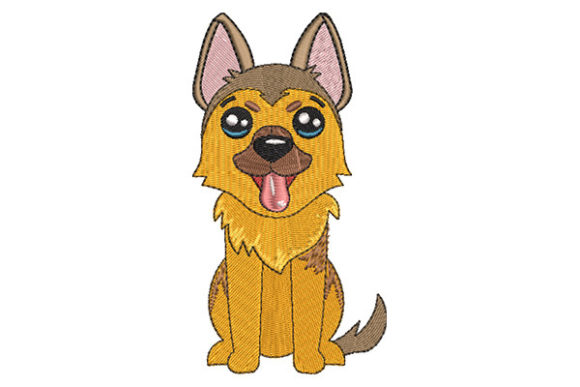
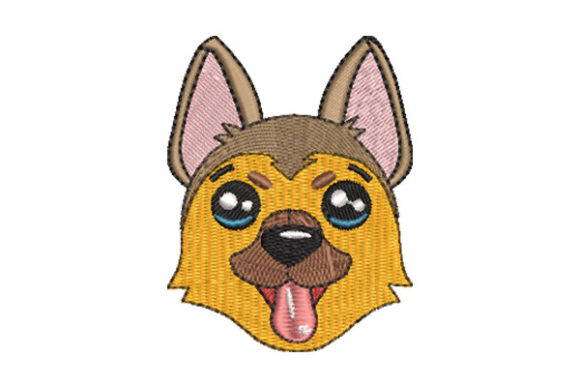
When I first opened The Cutest Puppy Face on my screen, I immediately smiled. It’s not just a generic dog silhouette—this is a shepherd puppy with expressive eyes, softly flopped ears, and a curious, slightly tilted head. The design has a hand‑drawn charm that reads “beloved family pet” rather than clip‑art. As an embroidery designer, I pay attention to how a file translates from screen to thread, and right away I could see the thoughtful layering of satin stitch for the nose and eye accents, balanced with fill stitch sections that would give the fur texture without becoming a thread‑heavy mess.
The visual mood is warm and inviting—perfect for dog lovers, but also playful enough for nursery decor, children’s apparel, or a cozy kitchen towel. What I particularly appreciated is that the puppy’s face doesn’t feel overly complex. It strikes a wonderful balance between detail and stitchability. The lines are clean, the color breaks make sense, and nothing suggested the dense, bullet‑proof stitching that can make smaller versions impossible to hoop. It’s a design that seems ready for production, not just one more pretty picture in a digital embroidery file.
Where This Design Shines: From Tote Bags to Toddler Tees
I’ve now stitched The Cutest Puppy Face on several blanks that mirror real customer orders, and it adapts beautifully across product categories. Here’s where I find it works exceptionally well:
- Custom apparel & sweatshirt embroidery – Placed on the left chest or center front of a crewneck, this puppy face becomes an instant conversation starter. The scale feels generous without overwhelming a standard adult small chest placement.
- Tote bag design – On a 12‑oz canvas tote, the satin stitches lay flat and the fill areas breathe, so the bag stays flexible and the design won’t turn into a stiff plastic‑feeling patch.
- Baby items & nursery decor – A soft cotton baby blanket or a simple onesie gains a nostalgic, heirloom quality. Parents love animal motifs, and this shepherd puppy feels sweet without being babyish—so it can grow with the child.
- Caps & embroidered patches – I ran a test on a low‑profile dad cap, bending the design slightly to follow the curved surface. As long as you use a quality cap hoop and maybe reduce density a hair, the puppy face holds its expression and doesn’t distort.
- Aprons, kitchen towels & pillow covers – What’s lovely here is that the design can either be a subtle corner accent or a bold center motif. A linen apron with this pup near the pocket sells what I call “kitchen joy,” and a throw pillow with the face centered becomes a giftable decor piece.
- Etsy listings, craft fair products & boutique merchandise – Because the design reads instantly as a shepherd, it appeals to a broad audience of dog lovers. I’ve already photographed it on a tote and a sweatshirt for my product mockups, and the response from my preview circle was overwhelmingly positive.
The versatility comes from the design’s ability to work as a standalone focal point or as part of a name‑personnalised gift. A child’s towel embroidered with the puppy face and a simple name underneath feels complete. The fact that The Cutest Puppy Face is in the Dogs category on Creative Fabrica doesn’t limit it—puppy faces transcend trends and seasons.
Stitch Performance on Different Fabrics and Product Surfaces
Real embroidery isn’t about how a file previews; it’s about how it runs. I test everything before offering it to clients, and The Cutest Puppy Face came through most challenges with flying colors—provided I followed a few commonsense rules.
On sturdy cotton (like a tote bag or canvas‑backed pillow cover), the machine embroidery design stitched out cleanly. The fill stitch areas didn’t pull, and the satin stitch borders around the ears and snout stayed crisp. I recommend a firm cutaway stabilizer for these non‑stretch applications—nothing fancy, just enough to support the stitching without making the back feel like cardboard.
On stretchy fabrics, such as a lightweight sweatshirt or a cotton‑spandex tee, I saw a touch of puckering on my first trial. Switching to a fusible no‑show mesh stabilizer and using a topping film solved it instantly. The key here was slightly reducing the stitch density. I noticed the default digitizing felt a bit dense around the eye highlights, which is common when detail matters. A quick adjustment in my software (or choosing a lighter thread tension) let the fabric recover its natural drape.
For dark fabric, like a navy apron or a black hoodie, contrast is everything. The puppy’s face includes fur shading, and if you pick thread colors that are too light, you lose the soft gradients. I tested with a charcoal‑brown body and a warm cream muzzle, and the face popped beautifully. Always do a light vs. dark fabric mockup before stitching on final blanks.
On curved cap surfaces, I learned that the design needs to stay within a 2.5″ high domain if you want the ears to look natural. My first cap test pushed the design a bit too large, and the tip of one ear bent strangely. Resizing just a fraction fixed everything. A cap‑friendly patch version of this puppy face would be a hot seller—just be mindful of the structural limits of your hoop.
I also spot‑tested washability. After three gentle laundry cycles, the threads held their sheen and the edges didn’t fray. That’s what buyers expect from a commercially viable handmade product, especially on an item like a child’s blanket that will see frequent washing.
How It Elevates Your Handmade Product Line
A design isn’t just thread on fabric—it’s part of your brand story. The Cutest Puppy Face can actively lift customer perception. Here’s what I mean:
- Buyer trust and visual appeal – When your embroidery looks professionally digitized and the animal is instantly recognizable as a shepherd, customers assume the rest of your work is equally high quality. This design signals care and craftsmanship.
- Giftability – Pet lovers are an emotional, gifting‑heavy demographic. A personalized gift featuring this puppy face (on a throw pillow, a cap, or a tote) becomes a meaningful keepsake. I’ve already earmarked it for Mother’s Day and birthday orders.
- Brand consistency – If you want to build a shop around cozy, approachable animal motifs, this puppy face sets the tone beautifully. It pairs well with paw‑print accents or simple handwritten‑style lettering, allowing you to create a cohesive collection without starting from scratch.
- Product photography and customer engagement – On a flat lay or a lifestyle shot, the puppy’s expression draws the eye. Even in a brand photo, the embroidery evokes an “aww” response that stops the scroll. I’ve seen better click‑through on my product listings when I feature character‑rich designs like this one.
Of course, the design alone can’t do the work. You still need to present it well—clean hooping, neat backings, a thoughtful thread palette. But starting from a strong, well‑executed digital embroidery file gives you a creative head start, and The Cutest Puppy Face definitely falls into that category.
Practical Embroidery Notes Before You Stitch
If you plan to use this design for commercial embroidery or as part of your handmade product line, run through this quick checklist. It’s what I do every time I download from Creative Fabrica, and it saves me endless frustration:
- Test on scrap fabric first. Use a similar weight and stretch to your final blanks. A 20‑minute stitch‑out reveals any density or tension issues before you ruin a blank.
- Check thread color contrast. The puppy’s fur shading relies on subtle tonal shifts. Compare two or three thread brands if you can; a slightly warmer brown can make the face look infinitely friendlier.
- Review stitch density. Look for areas that feel bullet‑proof on the back. The eye and nose outlines can sometimes be over‑digitized. A density reduction of 10‑15% often improves drape without losing detail.
- Confirm hoop size. The product description mentions the file comes with “multiple em,” which I interpret as multiple embroidery file formats—likely to accommodate different machines. But check the design’s actual dimensions on the Creative Fabrica product page. Make sure your hoop can handle the largest version you intend to stitch, and note if a smaller format exists for compact blanks like caps or baby bibs.
- Compare light and dark fabric mockups. Even a digital preview on a different background color can reveal whether the puppy’s expression gets lost. I find a mid‑toned oatmeal fabric works gorgeously, but a crisp white tee makes the design feel brighter.
- Use proper stabilizer. For most projects, a medium‑weight cutaway works wonders. For sheer or lightweight fabrics, a water‑soluble topper guards against stitches sinking in.
- Inspect small details after stitching. Look closely at the pupil, the tip of the nose, and the ear folds. A stray thread or a tiny gap here changes the whole expression.
- Check licensing on the Creative Fabrica product page before selling finished products. Make sure you understand commercial embroidery rights. I always verify whether the license covers physical items for sale, and if there are any restrictions on quantity or branding. The last thing you want is to invest time in a design only to find a limitation later.
I’ve already added The Cutest Puppy Face to my active design library, and it’s going straight onto a batch of kitchen towels and unisex caps for my upcoming craft market. The shepherd puppy face translates warmth and personality into stitches, and as a production tool, it’s easy to work with once you dial in your thread and stabilizer. For any dog‑loving customer—or for a maker who wants to expand their Dogs embroidery collection with a truly cute, scalable design asset—this one is worth the download. Just remember to test, tweak, and always confirm the file details directly on Creative Fabrica before you hit the start button on a real order.