The Cutest German Shepherd Embroidery Design Review
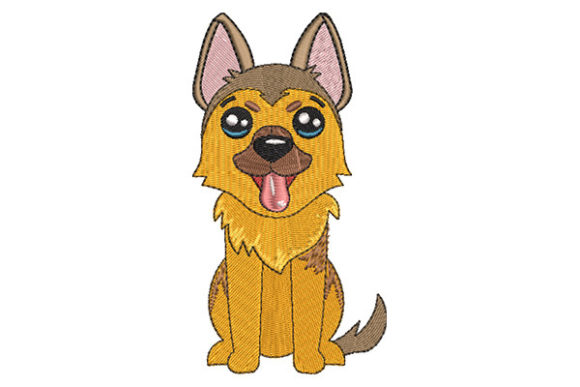
When I first spotted The Cutest German Shepherd on Creative Fabrica, I had that immediate gut reaction every embroidery designer knows well—the one where you mentally start assigning it to three different projects before you've even downloaded the embroidery file. Dogs are a man's best friend, and this cute little shepherd embroidery design lands right in that sweet spot between playful and polished. The visual mood leans heartwarming rather than cartoonish, which matters a lot when you're stitching something meant to feel like a keepsake rather than a novelty.
The detail level caught my attention right away. The shepherd silhouette carries enough definition to read clearly at a glance, yet the designer seems to have restrained the urge to overcomplicate things. That balance is harder to achieve than most crafters realize. Too many machine embroidery designs pack in unnecessary density that creates puckering on anything other than stiff canvas, so I was genuinely curious to see how this one would perform across different fabric types.
In terms of decorative appeal, The Cutest German Shepherd has that versatile quality I always look for when stocking up on design assets. It could easily anchor a nursery decor piece, add charm to a kitchen towel, or become the focal point of a custom apparel order. The stitching personality feels warm and approachable—the kind of design that makes a customer smile when they open their package.
First Impressions and Visual Character
Opening the embroidery file, my first thought was how cleanly the design elements were organized. The shepherd motif doesn't rely on excessive color changes or overly intricate fill patterns to make its point. Instead, there appears to be a thoughtful mix of satin stitch areas for definition and fill stitch sections that give the dog its soft, approachable texture. Running stitch details seem positioned to add character without becoming stitch-count bloat, which experienced embroiderers will appreciate.
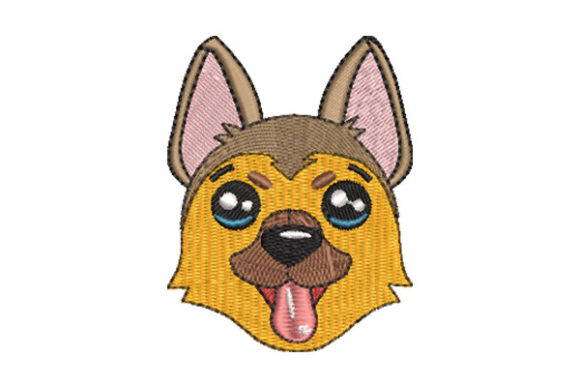
The facial expression carries that alert, attentive quality German Shepherds are known for, but softened in a way that makes this more of a companion piece than a working-dog portrait. For handmade product sellers, that distinction matters—this design will appeal to family buyers, dog lovers buying gifts, and pet owners who want something sweet rather than stern.
One thing I immediately noted was how well the design reads at a moderate distance. Some embroidery designs look fantastic zoomed in on a screen but lose readability on an actual finished product. From what I can see in the printable mockup provided, The Cutest German Shepherd holds its shape and recognizable profile even when scaled to fit typical project dimensions.
Where This Design Shines in Real Projects
Let me walk through the project types where I believe this machine embroidery design will genuinely deliver. I evaluate every Creative Fabrica embroidery purchase against my mental list of customer-ready applications, and this one checks quite a few boxes.
For custom apparel, I can see this shepherd working beautifully on a sweatshirt embroidery application. The design's moderate detail level means it should handle the slight texture of fleece without losing definition, provided you use appropriate cutaway stabilizer and don't rush the stitching. A placement on the left chest or centered on a crewneck would give that boutique merchandise feel that commands premium pricing at craft fairs.
Tote bag applications deserve special mention. The flat weave of most canvas totes provides an ideal foundation for this kind of design. The stitch density appears reasonable enough that the bag maintains its functionality without becoming stiff or uncomfortable to carry. For Etsy sellers offering personalized gift options, adding a name beneath this shepherd on a tote bag design could become a reliable seller.
Kitchen towel projects are another natural fit. The lighthearted but not juvenile mood means these could sell year-round rather than just during holiday seasons. Pairing The Cutest German Shepherd with a simple border or corner placement on a flour-sack towel creates that handmade product aesthetic that shoppers actively seek out for housewarming gifts.
Baby blanket applications raised a mild concern for me—not with the design itself, but with any embroidery going onto infant items. The key is ensuring the back of the stitching feels smooth against sensitive skin. A soft backing material and careful tension adjustment would make this perfectly suitable for nursery decor purposes, though I'd recommend testing on a scrap first, as I always do with anything intended for baby items.
Embroidered patch potential also crossed my mind. If you finish this on a sturdy twill with a merrowed edge or a clean satin-stitch border, it transforms into a sellable standalone product. Dog breed patches have a surprisingly steady demand among pet owners and breed enthusiasts.
Pillow cover placements, apron accents, and seasonal handmade gift sets all fall within the comfortable range for this design. The design won't pigeonhole you into one narrow product category, which makes it a smarter addition to a commercial embroidery product library than hyper-specific designs that only work for one holiday or trend.
Practical Performance Considerations
Let's get into the nitty-gritty that separates a pretty design from a reliable production file. When I evaluate any embroidery design for real customer orders, I think about fabric behavior, wash durability, and how the stitching holds up under actual use conditions.
Small hoop size compatibility is something I always check, and I strongly recommend confirming the exact dimensions on the Creative Fabrica product page before purchasing. The description indicates this design comes with multiple options, but every machine has its limitations. Measure twice, download once.
Stitch density warrants attention with any design featuring a compact subject. Layered details in the shepherd's fur or facial features could become overly dense if the digitizer packed too many stitches into a small area. I'd advise testing on scrap fabric first and watching how your machine handles the densest sections. If you notice any hesitation or thread breaks, a slight tension adjustment usually resolves it.
Stretchy fabric presents the obvious challenges. T-shirts, onesies, and performance wear require proper cutaway stabilizer and possibly a topper for dark fabrics where stitches can sink in. The design's moderate coverage area means it shouldn't create that stiff, armor-like patch that ruins the drape of a garment, but technique matters enormously here.
Dark fabric considerations are worth mentioning because the shepherd's coloring may include mid-tone browns and tans that need sufficient contrast against a black or navy background. I always recommend doing a quick thread color contrast check before committing to a production run. Sometimes swapping one shade lighter on the underlay makes all the difference in visibility.
Curved cap surfaces remain the trickiest application. The centered, balanced composition of this shepherd design could work on a cap front, but the curvature means you'll want to test positioning carefully and possibly adjust your hoop placement. Some designs that look perfect flat develop distortion on a curved surface, so a test stitch on an old cap is non-negotiable.
Products that need frequent washing—kitchen towels, baby items, everyday apparel—should hold up well if your stitching fundamentals are solid. Polyester thread holds color better through repeated laundering, and a quality stabilizer prevents the puckering that cheapens the look over time. The design itself doesn't appear to have any fragile, floaty sections that would snag or fray easily, which is a plus for longevity.
Adding Value to Your Handmade Business
Beyond the technical stitching, I evaluate designs based on how they contribute to product value and customer perception. The Cutest German Shepherd has several qualities that elevate a finished product beyond the ordinary.
Visual appeal is immediate and emotional. Buyers connect with dog imagery on a personal level, and a well-executed shepherd design triggers that recognition and warmth that leads to purchases. When photographed well for Etsy listings or social media, this design gives you material that stops the scroll—especially if you style the shoot with natural textures that complement the rustic yet refined mood.
Brand consistency benefits from designs like this. If your handmade shop has built a reputation around pet-themed products or rustic home goods, adding this shepherd to your rotation strengthens that identity rather than diluting it. The design's aesthetic feels cohesive enough that it could live alongside other animal motifs without clashing.
Giftability is another factor I weigh heavily. Products featuring this shepherd inherently suggest a recipient—someone who owns, loves, or has lost a German Shepherd. That specificity paradoxically makes the gift feel more thoughtful and personalized, even if the item is part of your standard product line. For craft fair products, that emotional resonance often translates to impulse purchases.
Product photography deserves strategic attention. A tote bag or pillow cover featuring this design photographs well from multiple angles. The clear silhouette means you don't need extreme close-ups for the embroidery to read. Flat lays, modeled shots, and detail close-ups all serve different listing and marketing purposes, giving you versatile content from one product sample.
Customer engagement tends to increase when you share finished items that feature recognizable, beloved subjects. A reel showing the stitching process for this shepherd, paired with the finished sweatshirt or apron, invites comments, saves, and shares in a way that more generic designs might not.
What to Check Before Stitching for Customers
I never stitch a new design straight onto a customer order without a test run, and I'd apply that same discipline here. Here's my practical checklist for The Cutest German Shepherd before it touches a paid project.
Run a full test stitch on scrap fabric that approximates your intended material. Cotton twill or medium-weight canvas gives you an honest read on how the stitches lay down. Check for any gaps in the fill stitch coverage, areas where the satin stitch pulls or distorts, and whether the outline details remain crisp.
Review thread color contrast against at least two fabric backgrounds—one light and one dark. The printable mockup gives you a preview, but thread on actual fabric behaves differently than pixels on a screen. A design that pops on white might lose legibility on heather gray or charcoal.
Use proper stabilizer for your fabric type. No design can compensate for inadequate backing. Cutaway for knits, tear-away for wovens, and always consider a water-soluble topper on textured or napped fabrics where stitches might sink.
Inspect small details after stitching. The shepherd's ears, eyes, and muzzle are the focal points. If those read cleanly, the overall impression will satisfy a buyer. If they're muddled or lost, consider whether your thread choices or tension need adjustment.
Confirm hoop size, file formats, and machine compatibility before purchasing. The Creative Fabrica product page should list all available formats and dimensions. Don't assume—verify. I've learned this lesson the hard way, and it costs nothing to double-check.
Review the licensing terms for commercial embroidery use. Creative Fabrica generally offers clear guidelines on what constitutes personal use versus commercial production, but the specifics matter when you're selling finished items. Understand what's permitted before you list products featuring this design.
My Honest Take for Fellow Makers
After spending time evaluating The Cutest German Shepherd from every angle that matters for real-world embroidery work, I land on a genuinely positive impression. This isn't one of those designs that looks impressive on screen but fights you at every stitch. The digitizing appears competent, the subject has broad appeal, and the project versatility gives you room to experiment across your product range.
The design's moderate complexity means beginners with a few projects under their belt should handle it confidently, while experienced stitchers can dress it up with creative thread choices, placement variations, and complementary design assets. For Etsy sellers building a pet-themed collection, for craft fair vendors wanting a reliable seller, for small business owners expanding into embroidered gifts—this shepherd earns its place in your embroidery file library.
No design is perfect for every situation. Test it on your machine, with your thread, on your fabric, using your technique. That's standard practice for any responsible embroiderer. But as a starting point, The Cutest German Shepherd gives you a solid foundation to build finished products that customers will genuinely want to buy and gift.
Check the full details on the Creative Fabrica product page, download the applicable embroidery file formats for your machine, and start with a test stitch. The worst-case scenario is you learn something about your setup. The best case is you add a dependable, crowd-pleasing design to your commercial embroidery rotation—and from what I've seen, the odds lean toward the latter.